Quality solar, battery, and energy systems
designed for the Thompson Okanagan.
Built with care. Installed with integrity.
Engineered to deliver clean power for
decades.
When homeowners in British Columbia consider solar, one of the most common questions we hear is about winter performance. Specifically, people want to know which are the best solar panels for cold climates and whether certain panels perform better when temperatures drop. Choosing the right panels for a winter climate is less about brand names and more about understanding the design features that help systems perform reliably year after year.
The truth is that cold weather does not hurt solar performance – cooler weather actually improves solar performance. Reduced sun angle and reduced daylight hours are the reasons why production drops in the summer, not temperature.
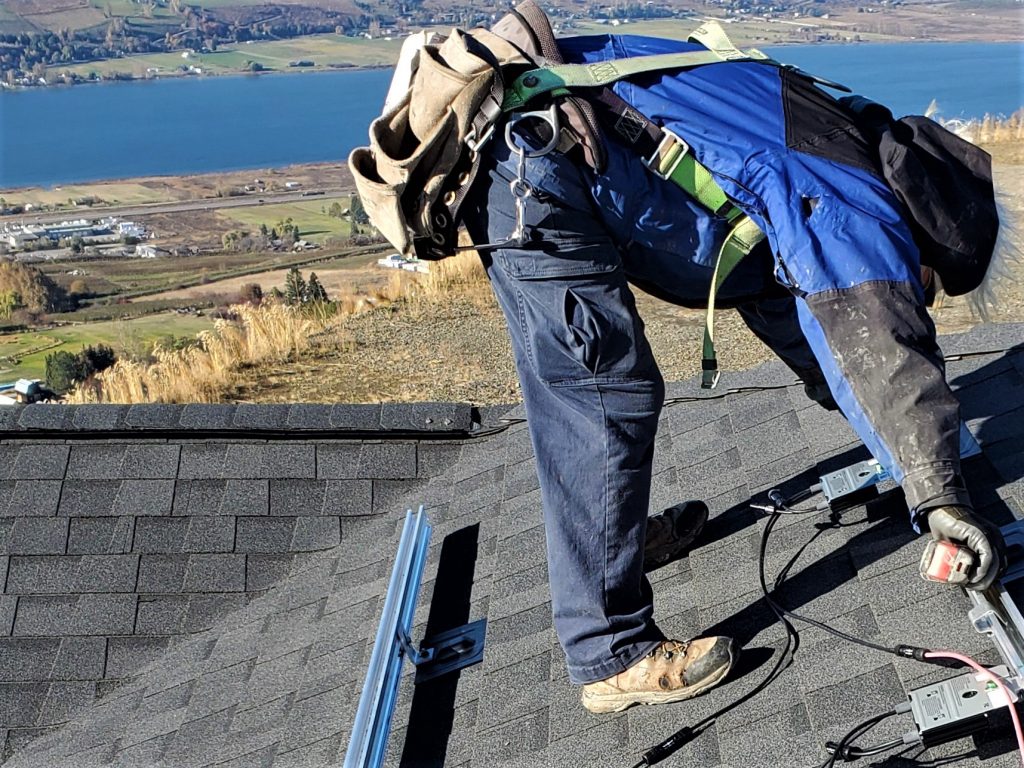
A key misunderstanding about solar is the idea that panels need heat to work. They do not. Solar panels generate electricity from light, not warmth. In fact, cooler temperatures allow electrons to move more efficiently, which can slightly increase output.
At Roost Solar, we design systems across the Okanagan with this seasonal reality in mind, ensuring annual performance stays consistent even when winter production dips.
One of the most important features of the best solar panels for cold climates is snow load capacity. Snow load ratings measure how much weight a panel can safely support without damage.
High quality panels installed in BC are rated to withstand heavy snow accumulation and strong wind forces. Combined with professional racking systems, this ensures the panels remain structurally sound throughout harsh winters.
For most residential installations, panels rated for 5400 Pa or higher snow loads provide excellent durability for Okanagan conditions.
Another key factor when choosing the best solar panels for cold climates is the temperature coefficient. This rating shows how much efficiency a panel loses as temperatures rise.
Panels with a lower temperature coefficient perform more consistently across temperature swings, which is ideal in climates like the Okanagan where winters are cold and summers can still be hot.
Modern monocrystalline panels with advanced cell technology are well suited for this type of climate, delivering stable output across seasons.
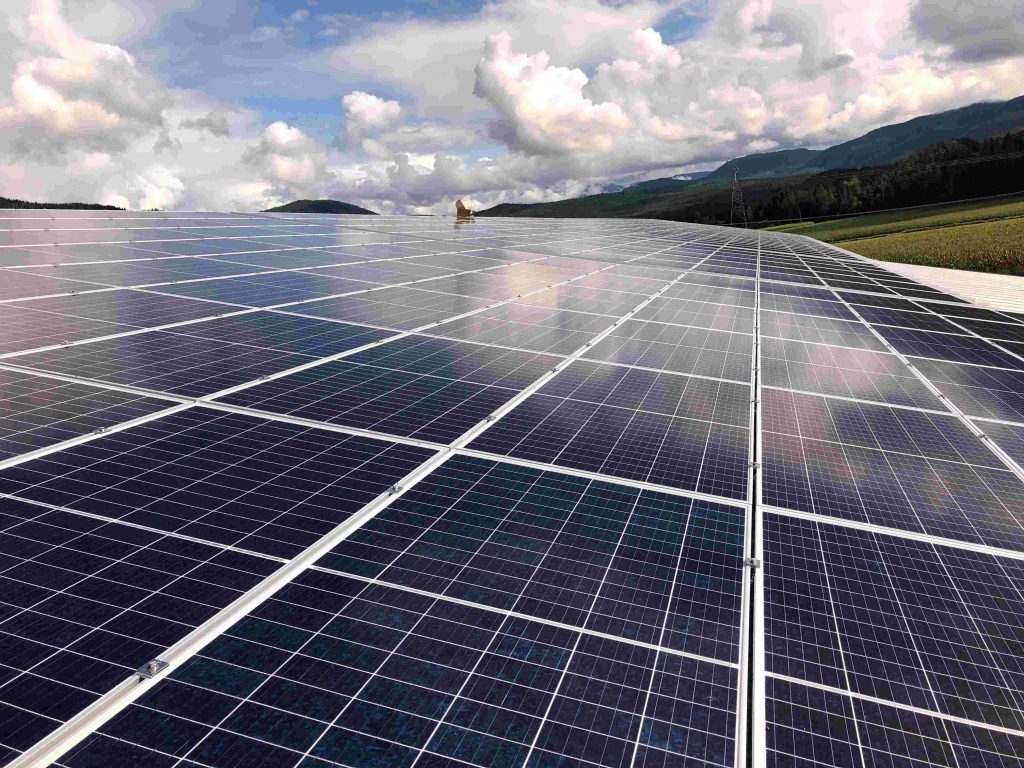
Winter brings shorter days and more cloud cover, making low light performance especially important. The best solar panels for cold climates are designed to capture diffuse daylight efficiently, not just direct sun.
Advanced cell designs, including half cut cells and bifacial options, help panels continue producing energy even when light levels are reduced. This makes winter production more predictable and reliable.
Roost Solar prioritizes panels that perform consistently in real world conditions, not just lab ratings.
Even the best solar panels for cold climates rely on proper installation to perform well in winter. Panel angle, orientation, and mounting system all influence snow shedding and light exposure.
Steeper tilt angles help snow slide off naturally. South facing panels clear faster than east or west facing arrays. High quality racking systems maintain spacing that allows snow to fall safely without blocking lower panels.
This is why professional design matters just as much as the panel selection itself.
Bifacial panels are often considered among the best solar panels for cold climates because they can generate power from reflected light. Snow covered ground can reflect additional sunlight onto the rear of the panel, increasing total output.
While bifacial panels are not required for most residential rooftops, they can be a strong option for ground mounted systems or locations with high reflectivity.
Roost Solar evaluates these options case by case to ensure they provide real value, not just added complexity.
Winter places unique stress on solar equipment, from freeze thaw cycles to heavy snow loads. The best solar panels for cold climates are backed by strong product and performance warranties.
Panels designed for Canadian conditions typically include:
This long term protection ensures your system continues delivering value long after installation.
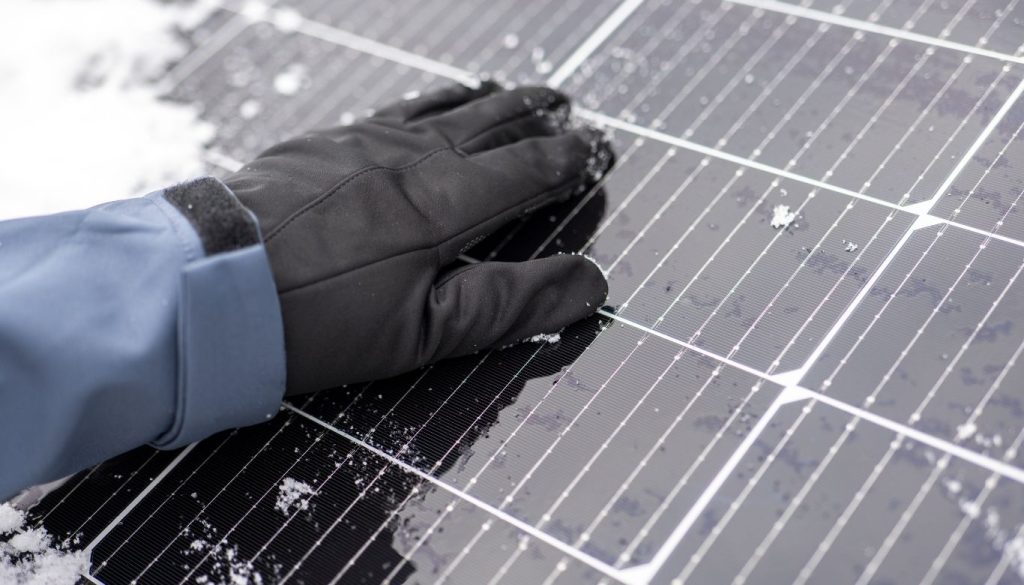
The short answer is no. Most high quality modern panels installed by a professional team qualify as the best solar panels for cold climates when paired with proper design and mounting.
There is no need for heated panels, snow melting coatings, or specialty winter equipment. Smart system design delivers far greater benefits than unnecessary add ons.
When choosing the best solar panels for cold climates, homeowners should focus on:
At Roost Solar, we design every system specifically for local conditions across Vernon and the Thompson Okanagan. That means dependable winter performance without overengineering or overspending.

5101 25th Ave, Vernon, BC


