Quality solar, battery, and energy systems
designed for the Thompson Okanagan.
Built with care. Installed with integrity.
Engineered to deliver clean power for
decades.
If you've started researching solar in Canada, you've probably noticed that the industry looks a little different here than it does in the US or Europe. The equipment is largely the same, but the climate, the utilities, the incentive programs, and the installers are distinctly Canadian - and that shapes what a good solar decision actually looks like north of the border.
This guide covers what Canadian homeowners should understand about solar panels before making a purchase: how panels perform in Canadian conditions, what to look for in equipment, and why working with a local Canadian installer makes a meaningful difference over the life of your system.
Roost Solar has been designing and installing solar panel systems across BC's Thompson-Okanagan since 2016. Here's what we've learned about what actually matters for Canadian solar buyers.
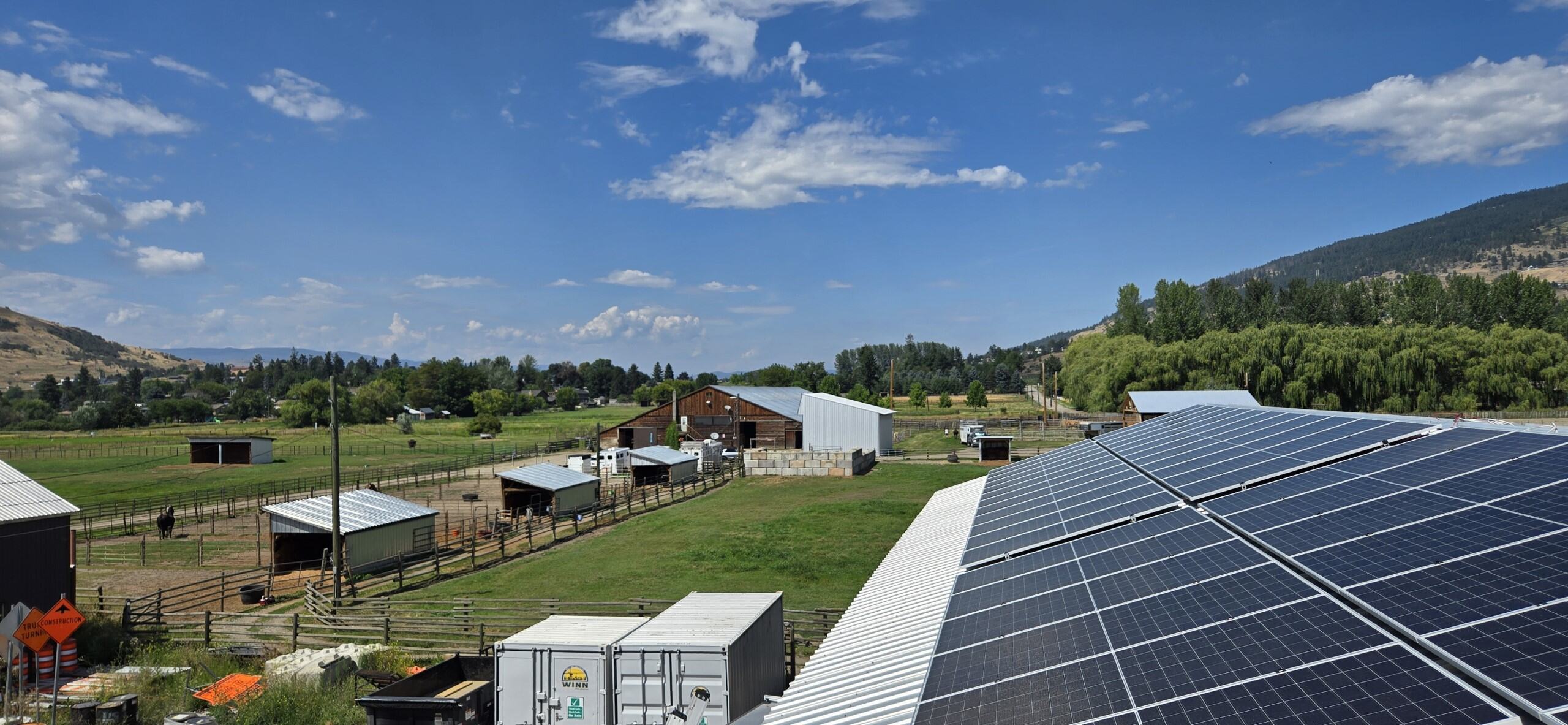
One of the most common assumptions about solar in Canada is that the climate works against it. Cold winters, shorter days, and the occasional snowfall seem like strikes against solar - but the reality is more nuanced.
Cold temperatures are actually beneficial for solar panel efficiency. Solar panels are semiconductor devices that produce more electricity per hour of sunlight when they're running cool. On a clear February afternoon with fresh snow on the ground reflecting additional light onto the panels, a well-installed system can perform impressively - even with fewer daylight hours than summer.
The challenge in Canadian winters isn't cold - it's snow accumulation on panel surfaces and shorter daylight hours reducing total daily production. Both are real factors, and both are accounted for in how Canadian solar systems are designed and sized.
Summer, meanwhile, delivers strong solar production across most of Canada. Regions like BC's Thompson-Okanagan, southern Alberta, and Saskatchewan rank among the better solar resources in the country - competitive with parts of Europe that have significantly higher solar adoption rates. Canadian solar panels installed in these regions are working in genuinely good conditions for a significant portion of the year.
Not all solar panels are equally well suited to Canadian climate conditions. A few specifications are worth paying attention to when evaluating equipment for a Canadian installation.
Temperature coefficient: This measures how much a panel's output decreases as temperature rises above its rated test conditions. A lower temperature coefficient means less output loss on hot summer days. For Canadian installations where summer heat is a factor - particularly in interior BC or the prairies - a better temperature coefficient translates to more production during peak summer months.
Snow and wind load ratings: Canadian panels need to handle real winter conditions. Quality panels are tested and rated for snow loads and wind resistance. This is a structural consideration that matters for long-term panel integrity, particularly in regions with heavy snowfall or strong seasonal winds.
Low-light performance: Canadian winters involve more overcast days and lower sun angles than summer. Panels that perform well in diffuse light conditions - not just in direct, bright sunshine - produce more electricity across the full Canadian season.
Warranty structure: A panel warranty is only useful if the manufacturer is still around and operating in Canada when a claim needs to be made. Established manufacturers with a Canadian market presence and Canadian warranty support are a meaningful advantage over brands with no local footprint.
One of the more practical advantages of going solar in Canada right now is the incentive environment, which has improved considerably in recent years.
On the federal side, the Canada Greener Homes Grant program has supported residential solar adoption, and businesses and commercial operators may be eligible for the federal 30% Clean Technology Investment Tax Credit - a significant incentive that has accelerated commercial solar installations across the country.
At the provincial level, programs vary. In BC, both BC Hydro and FortisBC operate net metering programs that allow solar owners to bank surplus production credits and draw them down when the system produces less - smoothing out seasonal variation across the annual bill. BC Hydro also offers its own solar incentives for eligible customers that reduce upfront installation costs.
Incentive programs change over time, and eligibility depends on your utility, property type, and installation details. A local installer who works within your specific utility zone will have current, accurate information on what's available to you - far more reliably than a national aggregator or online calculator.
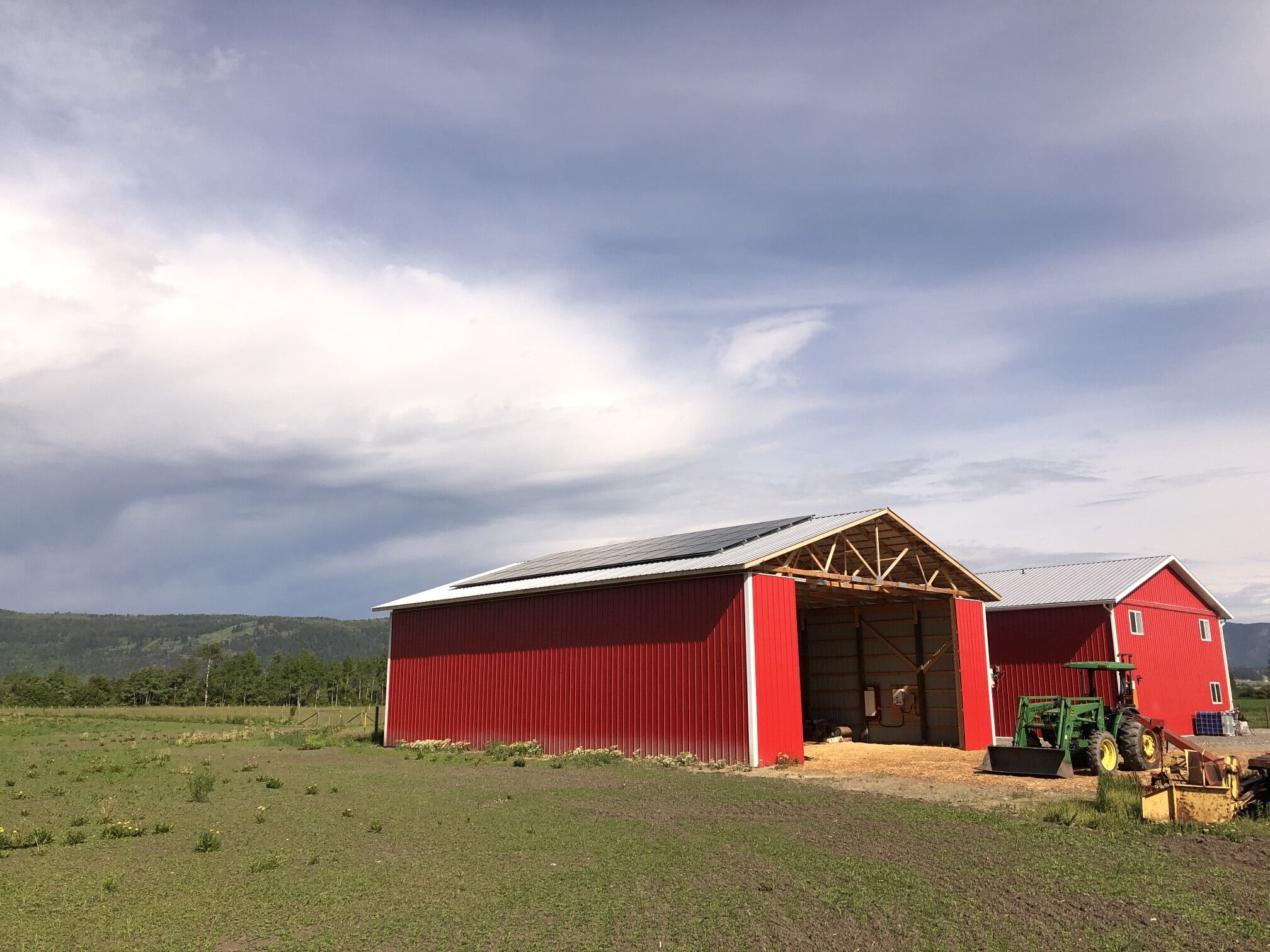
The solar panel itself is only one part of a solar installation. How the system is designed, how it connects to the grid, and who supports it after the install are just as important to long-term performance as the equipment on the roof.
This is where local Canadian solar companies have a genuine advantage over national chains or out-of-province installers.
A local installer knows your utility's interconnection requirements, application process, and timeline. In BC, connecting to BC Hydro's grid involves a multi-step self-generation application process that a local installer navigates regularly - not occasionally. That familiarity reduces delays and avoids costly missteps in the approval process.
Local installers also design systems around local conditions. The snowfall patterns, wind loads, and sun angle variations in the Thompson-Okanagan are different from those in Alberta or Ontario. A company with hundreds of installations in your specific region has real production data from real systems in your climate - not generic national averages.
And when something needs attention after the install - a warranty issue, a monitoring question, an inverter replacement a decade down the road - a local company with a physical office and stocked warehouse is a fundamentally different kind of resource than a national call centre. Roost Solar maintains an office and warehouse in Vernon with panels, inverters, racking, and electrical components on hand specifically so we can respond quickly when our customers need us.
Canadian solar panels installed by a qualified local company are a long-term asset - one that typically pays for itself within 8 to 12 years and continues generating clean, low-cost electricity for 25 years or more beyond that.
The Canadian context shapes that investment in specific ways. Net metering programs smooth seasonal variation. Federal and provincial incentives reduce upfront costs. Cold-weather efficiency advantages make winter days more productive than most homeowners expect. And a strong local installer makes the difference between a system that's properly designed for your conditions and one that's sized to a national average.
You can see what that looks like in practice across Roost Solar's completed installations - residential, commercial, and agricultural systems across the Thompson-Okanagan, each designed around the specific property and goals of the homeowner or business that commissioned it.

The Canadian solar market has matured significantly over the past decade. Equipment quality has improved, incentive programs have expanded, and experienced local installers have built real track records in communities across the country.
For Thompson-Okanagan homeowners and businesses, the combination of strong regional solar resources, a supportive utility environment, and a local installer with a decade of regional experience makes the decision clearer than ever.
Canadian solar panels installed by a Canadian company that knows your climate, your utility, and your community - that's the combination that delivers lasting value.
Ready to explore what solar could look like for your property? Reach out to the Roost Solar team for a free estimate - we'll walk you through the equipment, the incentives, and what a well-designed system looks like for your specific home or business.
Do solar panels work well in Canada's cold climate?
Yes - often better than people expect. Cold temperatures actually improve solar panel efficiency, since panels produce more electricity per hour of sunlight when running cool. The main winter challenges are snow accumulation on panels and shorter daylight hours, both of which are accounted for in how Canadian solar systems are designed and sized.
What incentives are available for solar panels in Canada?
Federal incentives include the Canada Greener Homes Grant for residential installations and the 30% Clean Technology Investment Tax Credit for commercial properties. In BC, both BC Hydro and FortisBC operate net metering programs, and BC Hydro offers additional solar incentives for eligible customers. Incentive availability varies by utility and property type, so confirming current programs with a local installer is the most reliable approach.
What solar panel specifications matter most for Canadian conditions?
Temperature coefficient, snow and wind load ratings, and low-light performance are particularly relevant for Canadian installations. Warranty structure and the manufacturer's Canadian market presence are also important - a warranty is only useful if the company can honour it locally when needed.
Why does it matter whether my solar installer is local?
Local installers know your utility's specific interconnection process, design systems around your regional climate conditions, and are available for ongoing support after installation. A local company with a physical office and stocked warehouse can respond quickly to service or warranty needs - a meaningful advantage over a national provider with no local presence.
How long do solar panels last in Canada?
Quality solar panels installed in Canadian conditions typically deliver productive output for 25 to 30 years or more. Gradual degradation is normal - panels produce slightly less electricity each year - but a well-designed system accounts for this and still delivers strong long-term value. Other components like inverters may require replacement during the system's lifetime, typically after 10 to 15 years.

5101 25th Ave, Vernon, BC


