Quality solar, battery, and energy systems
designed for the Thompson Okanagan.
Built with care. Installed with integrity.
Engineered to deliver clean power for
decades.
Commercial solar projects are more than just putting solar panels on a rooftop. They’re strategic energy investments that combine design, finance, permitting, and operations to deliver long-term value. For businesses in Vernon and across the Thompson-Okanagan, understanding how commercial solar projects work- can help you make informed decisions and maximize return on investment.
In this post, we’ll walk through:
Check out our solar installations service to see how we manage such projects locally.
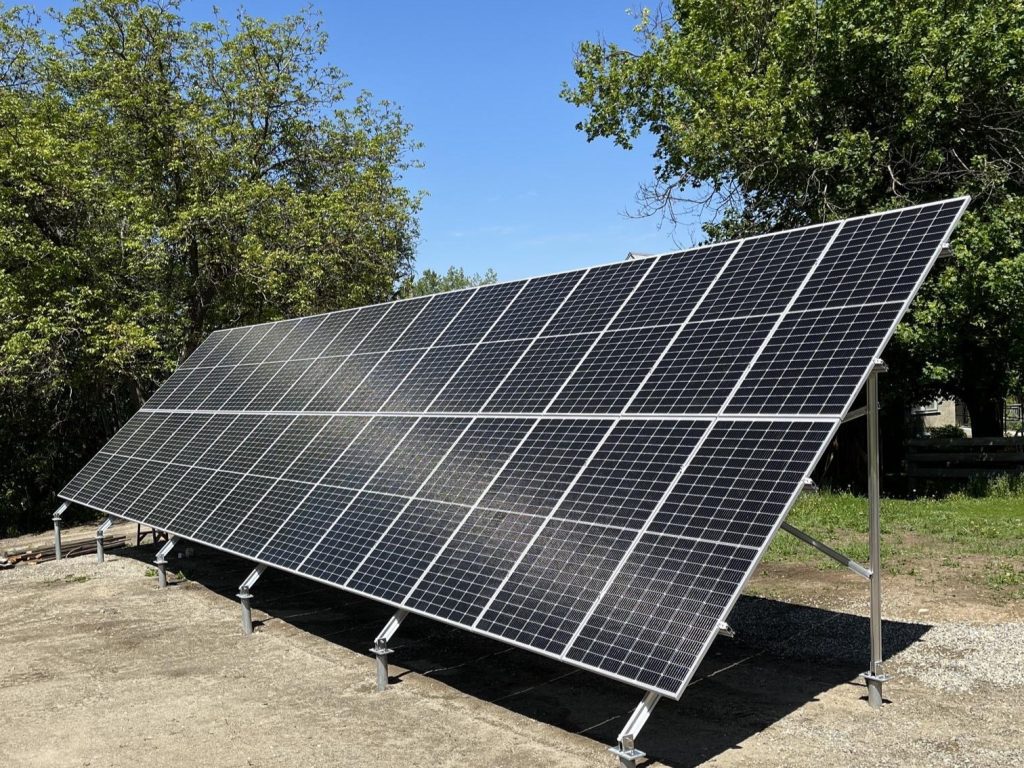
A commercial solar project refers to a solar power system sized and designed for a business, industrial facility, farm, warehouse, or other non-residential property. Compared to residential systems, commercial solar projects typically involve:
Commercial solar projects are typically designed around available space, and often use flat-roof systems, ground mounts, or carport solutions. The goal is to transform empty roofs or vacant land into an energy producing asset.
A primary driver for many commercial solar projects is the ability to lock in lower electricity costs for decades. By generating your own power, you reduce dependency on BC Hydro’s rates and avoid some of the volatility in future electricity pricing. Over time, those savings can meaningfully improve margins.
When paired with battery storage, commercial solar projects can provide power during utility outages. For businesses with critical loads — cold storage, processing equipment, lighting – this resilience is crucial. Even without full battery backup, systems can be sized to supply key loads during emergencies.
Solar projects let businesses reduce carbon emissions, align with sustainability goals, and promote green credentials. This can strengthen relationships with customers, investors, and the community. A visible solar installation signals leadership in clean energy.
Studies and industry reports suggest that buildings with solar systems often carry a valuation premium because utility costs are lower for future owners. A well-executed commercial solar project can make your property more attractive in the real estate market.
While incentive programs can change, the federal government and many Canadian provinces (including B.C.) have several programs to support renewable energy projects. For example:
These incentives can shorten payback periods and improve project economics.
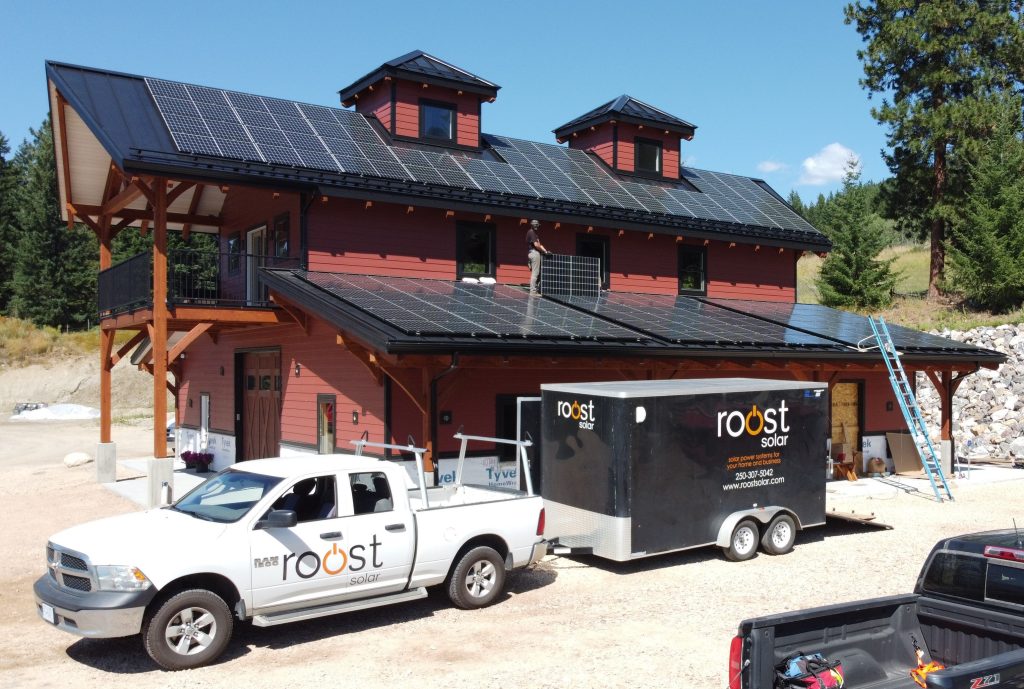
No project is without challenges. Here are common issues and how they are typically managed:
When planned and executed well, these challenges are manageable — and the long-term gains far outweigh the hurdles.
Feasibility & site assessment
Design & engineering
Permitting & approvals
Procurement & construction
Operation & maintenance (O&M)
Financing models for commercial solar projects can vary by region. Common approaches include:
The right model depends on your business’s financial structure and goals.
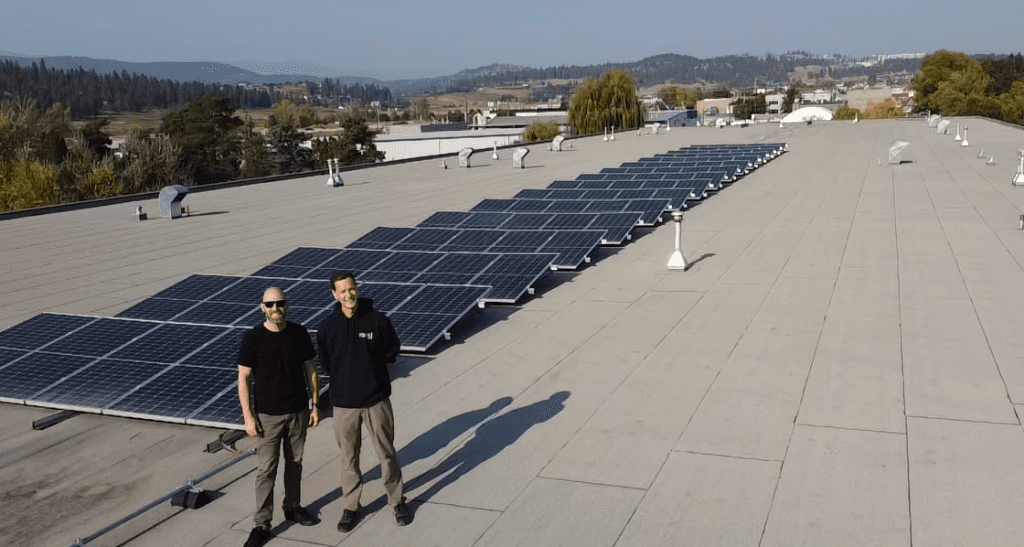
While utility-scale solar farms often make national headlines, the most exciting progress is happening closer to home. Across the Okanagan and Interior B.C., Roost Solar has completed a number of commercial solar projects that show how local businesses, farms, and property owners are transforming unused roof space into long-term energy assets.
Here are a few standout examples:
Each of these projects demonstrates that solar isn’t limited to large utilities or government programs. Local businesses, farms, and property owners are seeing real results: lower electricity bills, predictable energy costs, and long-term resilience.
How large should a commercial solar project be for my business?
That depends on your energy consumption profile and available roof/land. Many commercial solar projects start in the tens of kilowatts and scale up. A site assessment by Roost Solar will help pinpoint the optimal size.
When will I break even on a commercial solar project?
Payback periods vary depending on incentives, scale, and energy cost savings, but many commercial solar projects in Canada see payback between 6 to 12 years.
Do commercial solar projects work in B.C.’s climate?
Absolutely.
Energy production naturally drops during the winter months due to shorter days, lower sun angles, and potential snow cover. However, this seasonal variation is fully accounted for in system design and production modelling.
In B.C, businesses with solar systems receive credits for any excess energy they export to the grid during high-production periods (spring, summer, and fall). These credits can offset lower winter generation, allowing annual solar output to match a significant portion of total energy use over the year.
In other words, while solar panels are less productive in winter, the financial and energy performance of commercial solar projects in Vernon and the Okanagan balances out across the seasons thanks to how interconnection agreements are structured.
Commercial solar projects are complex, but they’re also powerful tools for businesses to reduce costs, improve resilience, and build sustainable brands. For Okanagan companies – from wineries to farms to warehouses – the promise of owning your energy is real.
At Roost Solar, based in Vernon and serving the Thompson-Okanagan, we specialize in turning commercial solarconcepts into fully operational systems. With local expertise, certification, and a full-service approach, we guide businesses through each phase of the process.

5101 25th Ave, Vernon, BC


