Quality solar, battery, and energy systems
designed for the Thompson Okanagan.
Built with care. Installed with integrity.
Engineered to deliver clean power for
decades.
For many homeowners in Vernon and across the Thompson-Okanagan, booking a home solar assessment is the first real step toward going solar. It is also the stage where the most assumptions tend to surface.
Solar has become more visible in recent years, but visibility does not always mean clarity. Before their first home solar assessment, many homeowners arrive with expectations shaped by headlines, online calculators, or conversations with neighbours. Some assumptions are accurate. Others are not.
Understanding what a home solar assessment actually involves helps ensure expectations are realistic from the beginning.
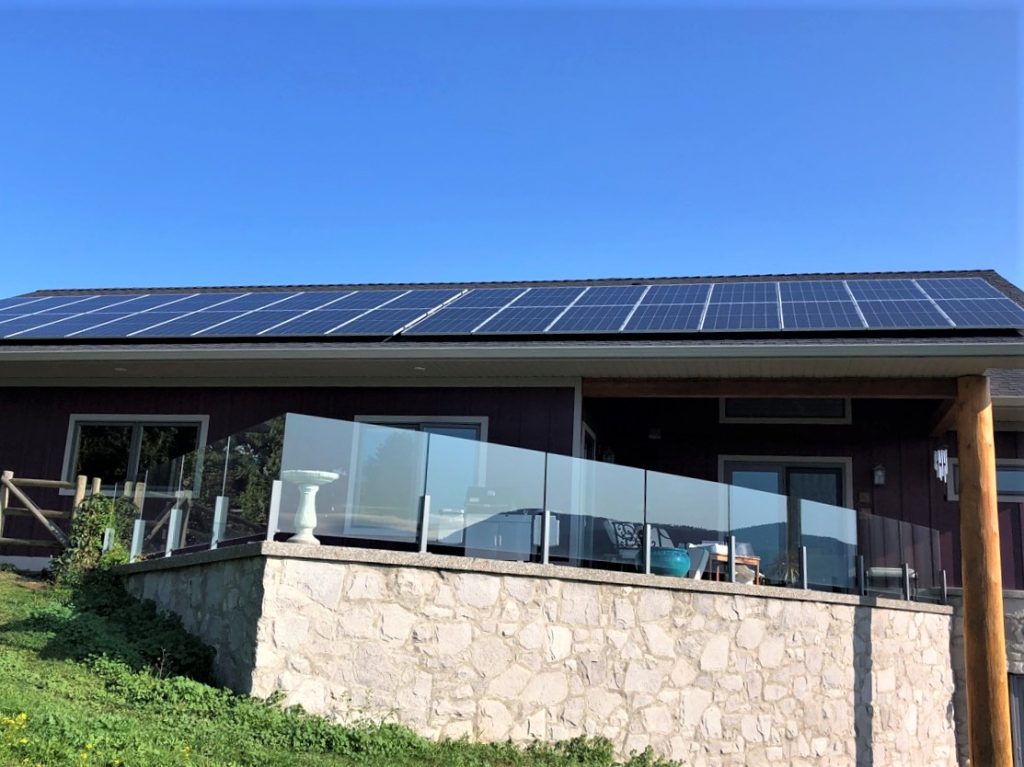
South facing roofs in the Okanagan are often ideal for solar production, but orientation alone does not determine suitability.
During a home solar assessment, we evaluate:
A home solar assessment does not begin with the goal of eliminating utility bills entirely. Instead, systems are typically sized to offset a realistic portion of annual energy usage.
In BC Hydro territory, systems operate under the Self-Generation program. In Fortis Electric areas, they operate under Net Metering. Both programs credit excess generation, but grid connection remains essential.
Most homeowners in the Thompson-Okanagan aim to offset between 70 and 100 percent of annual usage depending on roof size, goals, and budget. Completely eliminating a bill is not always practical or necessary to achieve strong long-term value.
A professional home solar assessment is not just a pricing exercise.
It includes:
Accurate system design depends on real data, not rough estimates. A proper assessment ensures production projections align with realistic performance expectations for Okanagan conditions.

No two homes are identical.
During a home solar assessment, factors that can significantly affect design include:
A system designed for one home cannot simply be copied to another. Customization is essential for long-term reliability and code compliance.
Many homeowners assume batteries are included in every solar installation. In reality, most grid-tied systems in the Okanagan operate without storage.
Batteries are evaluated separately based on:
A home solar assessment helps determine whether battery storage makes sense for your situation. It is not automatically included, nor is it required for net metering or self-generation participation.
Solar production is seasonal, but that does not mean solar is ineffective in places that have dark and snowy winters.
Our annual production models accounts for:
While production is lower in winter, summer overproduction can offset seasonal differences through utility credit programs. Annual performance is what matters most, not daily winter output.
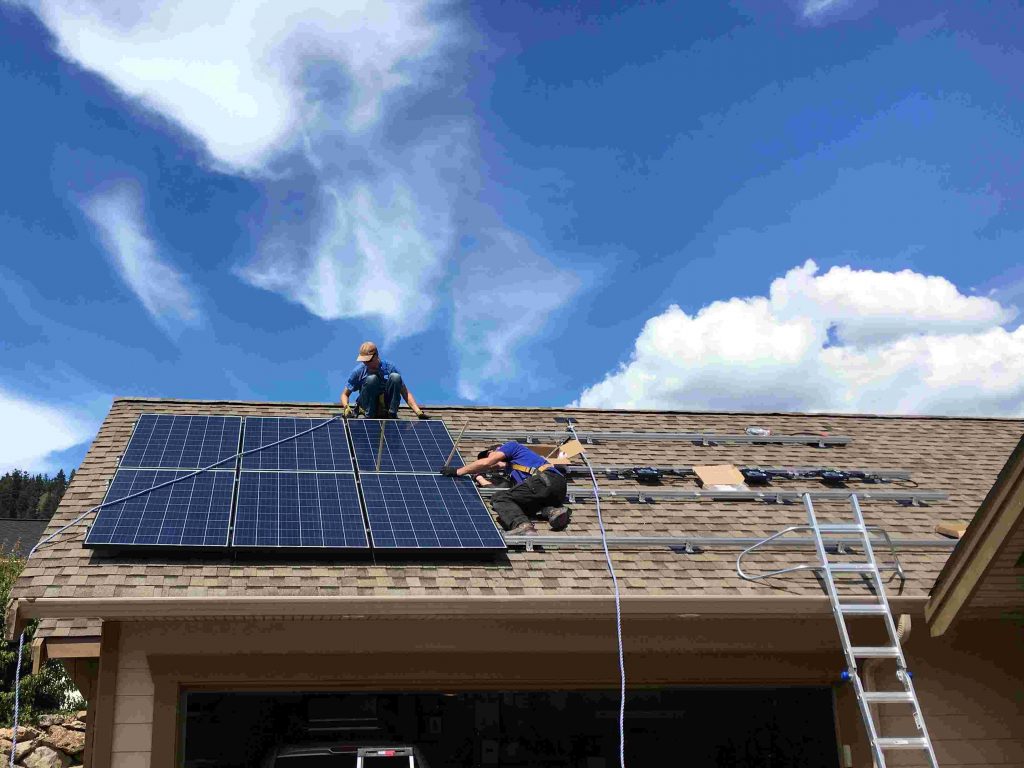
Solar installations in British Columbia must comply with:
A proper home solar assessment considers these requirements from the start. Permitting is not an afterthought. It is an essential part of system design and approval.
By the end of a professional home solar assessment, homeowners should have:
The assessment is about education as much as engineering. It sets the foundation for informed decision making.
Do I need to prepare anything before the assessment?
Having recent electricity bills available is helpful. It also helps to think about future energy plans such as electric vehicles or heating upgrades.
Does booking a home solar assessment commit me to installing solar?
No. The assessment is informational and designed to help homeowners evaluate whether solar is a good fit.
Will the assessment show exact future savings?
It provides modeled projections based on current utility rates and historical solar data. Actual savings depend on usage patterns and future rate structures.
What if my roof needs replacement?
If a roof is near the end of its lifespan, replacement may be recommended before installing solar. This is typically identified during the assessment process.
A home solar assessment is not about selling a product. It is about determining whether solar aligns with your property, your energy use, and your long-term goals.
For homeowners across Vernon and the Thompson-Okanagan, clear expectations and accurate modeling are what make solar a stable, predictable investment rather than a speculative one.
When misunderstandings are addressed early, the path forward becomes much clearer.

5101 25th Ave, Vernon, BC


