Quality solar, battery, and energy systems
designed for the Thompson Okanagan.
Built with care. Installed with integrity.
Engineered to deliver clean power for
decades.
If you live in the Thompson-Okanagan, you already know our region gets a lot of sun. But it's a fair question to ask before investing in a solar panel system: what happens on the days when the sun isn't out?
The short answer is yes, solar panels work on cloudy days. They simply produce less electricity than they would in full sun. Solar panels generate power from daylight, not direct sunlight alone, which means they continue producing energy even when cloud cover rolls in.
Here's how that actually works, and what it means for your system's performance throughout the year.
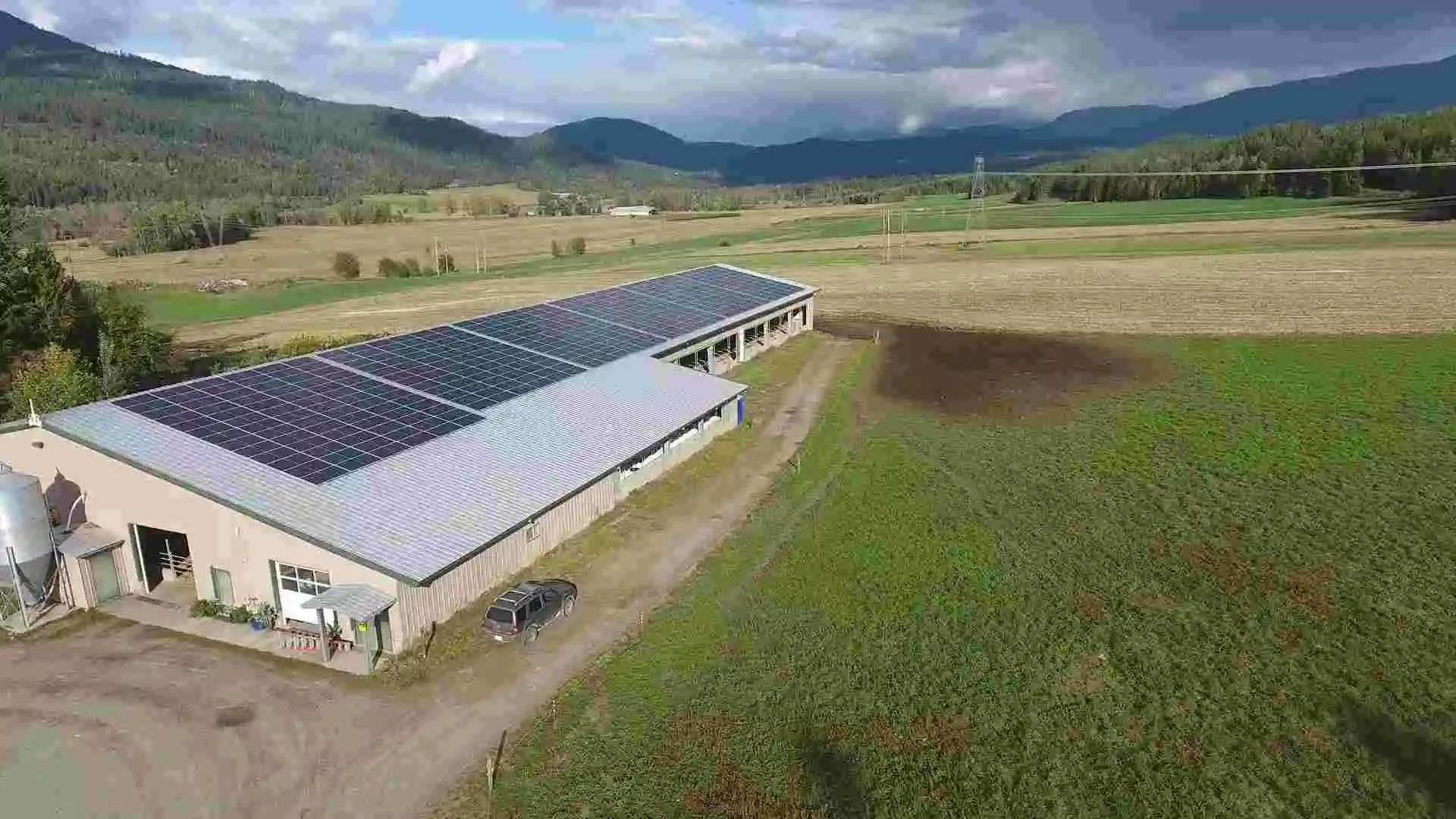
Solar panels work by capturing photons - particles of light - and converting them into electricity through the photovoltaic cells inside each panel. Direct sunlight delivers the most photons, which is why production peaks on clear, sunny days. But diffuse daylight, the kind that still reaches the ground on an overcast day, also contains enough light energy to generate electricity.
On a cloudy day, a solar panel system might produce somewhere between 10% and 25% of its peak output, depending on cloud thickness and density. Light cloud cover or haze has a much smaller impact, sometimes only reducing output by 10-20%. Heavy, dense cloud cover has a more significant effect.
What this means in practice: your system doesn't switch off when a cloud passes overhead. It simply scales its output up and down throughout the day based on available light - the same way your eyes don't go dark on an overcast afternoon, even though there's clearly less light than on a sunny one.
When evaluating whether do solar panels work on cloudy days, it helps to step back from any single day and look at the bigger picture.
Solar panel systems are designed and sized based on annual production, not daily output. A well-designed system accounts for the full mix of weather your region experiences over a year - sunny days, partly cloudy days, overcast days, and everything in between.
The Thompson-Okanagan is one of the better solar regions in Canada specifically because of how much sun it receives annually. Vernon, Kelowna, and the surrounding areas see considerably more annual sun hours than coastal BC, and the occasional cloudy stretch doesn't meaningfully change the math over the course of a year.
When Roost Solar designs a system for your property, the production estimates already factor in typical local weather patterns - including cloudy days, winter cloud cover, and seasonal variation. The system isn't sized assuming constant sunshine; it's sized around realistic, average conditions for this specific region.
It's worth separating two factors that often get blended together: cloud cover and shorter winter daylight hours.
Cloudy days reduce the intensity of light reaching your panels. Winter days reduce the total number of daylight hours available, regardless of cloud cover. Both affect production, but for different reasons.
In the Thompson-Okanagan, summer months bring both more daylight hours and generally clearer skies, which is why production peaks from roughly May through September. Winter months see fewer daylight hours and a higher chance of overcast conditions, which is why production naturally dips from November through February.
This seasonal pattern is completely normal and expected. It's also why net metering programs through BC Hydro and FortisBC exist - they let you bank summer production credits to offset higher winter usage, smoothing out the seasonal swing over your annual bill.
While cloudy days reduce output, they don't stop it. A few things are worth understanding about what does and doesn't affect your system on an overcast day:
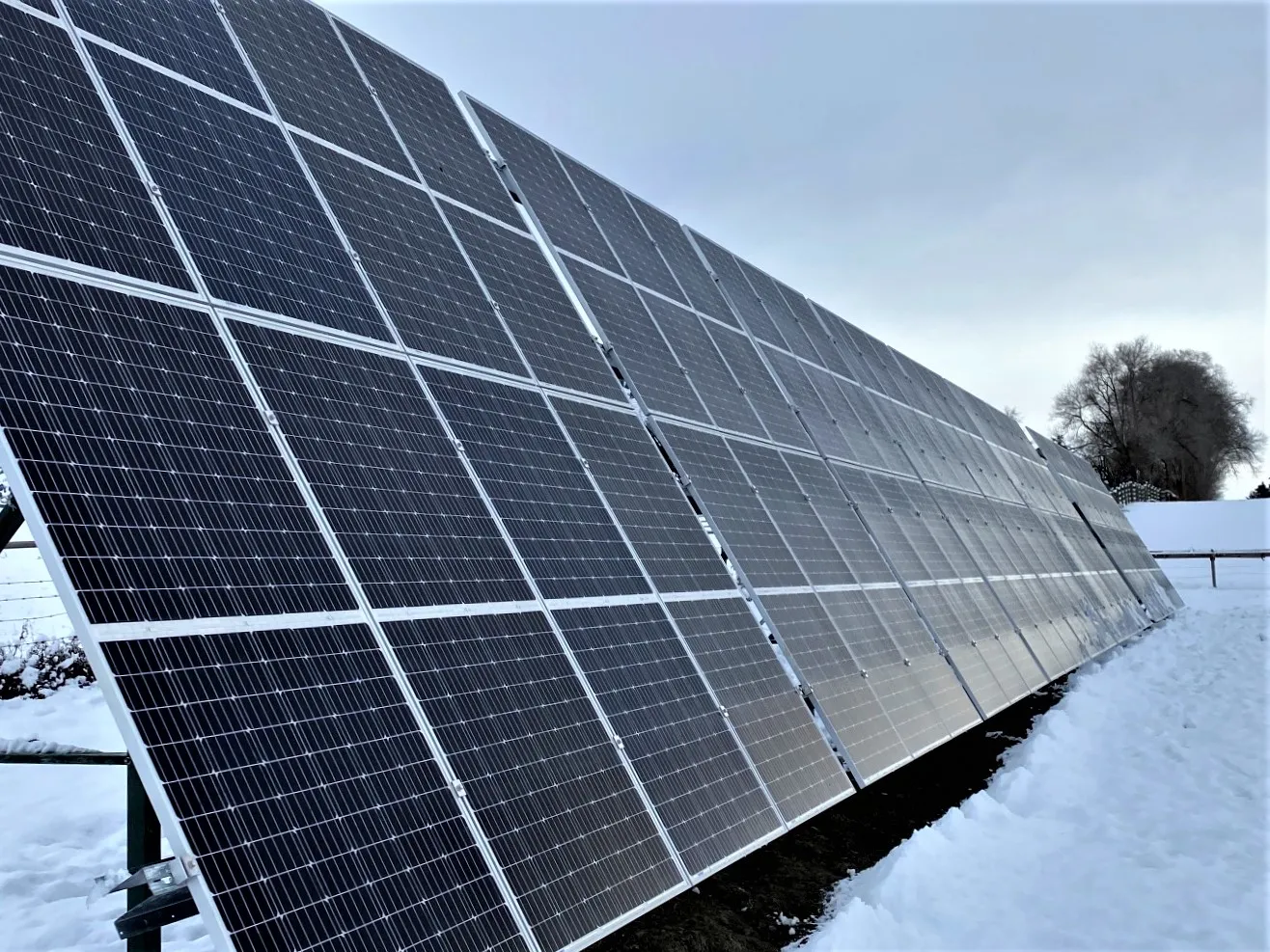
Snow accumulation on the panels themselves blocks light more significantly than clouds do, since snow is opaque rather than diffuse. This is a winter consideration separate from cloud cover, and most installers - Roost Solar included - generally recommend leaving snow to clear naturally rather than risking panel damage by removing it.
Smoke from wildfire season, which the Thompson-Okanagan experiences some summers, can also reduce production more than typical cloud cover, depending on smoke density. This is usually a short-term, seasonal factor rather than an ongoing concern.
Fog has a similar effect to cloud cover, scattering light and reducing intensity, though it typically clears within a few hours of sunrise.
None of these conditions damage your system or cause lasting harm - they simply mean lower output on the days they occur.
A properly designed solar panel system doesn't assume best-case weather every day. It's built around realistic annual production data specific to your location.
This is part of why working with a local installer matters. A company with years of experience in the Thompson-Okanagan has real production data from hundreds of systems across the region - not just generic regional averages. That local knowledge shapes system design decisions, from panel count to equipment selection, with realistic weather patterns already factored in.
If your goal is a specific level of annual energy offset, that target is calculated using your area's actual weather history, including the cloudy stretches - not just the sunniest days of the year.
One of the more interesting things about owning a solar panel system is watching production data day to day. Most systems include a monitoring app or dashboard that shows real-time and historical output.
Over time, this gives homeowners a genuine sense of how their system responds to weather. You'll see the dip on an overcast Tuesday, the rebound the next sunny afternoon, and the overall pattern across the seasons. For most owners, this is reassuring rather than concerning - the variation is expected, and the system continues to generate meaningful value across the full mix of weather conditions.
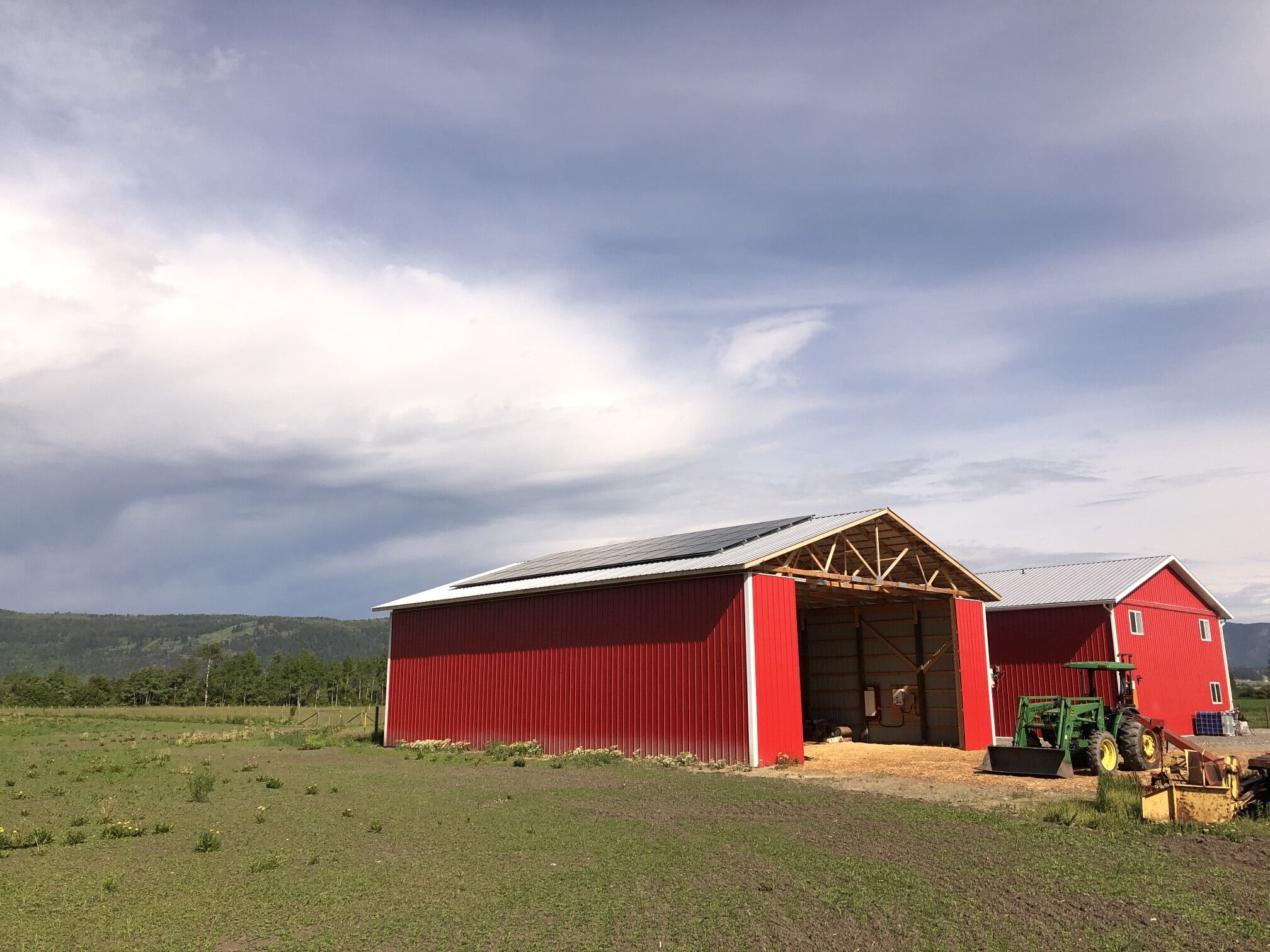
Do solar panels work on cloudy days? Yes - they simply produce less energy than they do in direct sunlight, and that reduction is already factored into how a well-designed system is sized in the first place.
The Thompson-Okanagan's strong overall sun hours mean that cloudy days are the exception rather than the rule, and a properly designed system accounts for the full range of local weather across the year. The result is a system that delivers reliable value, rain or shine.
Curious how local weather patterns factor into a solar design for your property? Reach out to the Roost Solar team for a free estimate - we'll walk you through realistic production estimates based on your specific location.
Do solar panels work on cloudy days?Yes. Solar panels generate electricity from daylight, not just direct sunlight, so they continue producing power on cloudy days. Output is reduced, typically to somewhere between 10% and 25% of peak production depending on cloud density, but the system keeps working.
How much less power do solar panels produce on a cloudy day?It depends on the thickness of the cloud cover. Light cloud or haze might reduce output by only 10-20%, while heavy, dense cloud cover can reduce output more significantly. Production scales with available light throughout the day rather than switching on or off.
Does snow affect solar panel production more than clouds?Yes, snow sitting directly on the panels has a more significant impact than cloud cover, since it physically blocks light rather than just diffusing it. Most installers recommend letting snow clear naturally rather than removing it manually, to avoid damaging the panels.
Is the Thompson-Okanagan a good region for solar despite occasional cloudy days?Yes. The region receives strong annual sun hours compared to much of Canada, including coastal BC. Occasional cloudy stretches don't meaningfully change the overall annual production picture for a well-designed system.
How does net metering help offset lower production on cloudy or winter days?Net metering programs through BC Hydro and FortisBC let homeowners bank credits from high-production periods, like sunny summer months, and apply them against usage during lower-production periods, like cloudy stretches or winter months. This smooths out seasonal and day-to-day variation over the course of a year.

5101 25th Ave, Vernon, BC


