Quality solar, battery, and energy systems
designed for the Thompson Okanagan.
Built with care. Installed with integrity.
Engineered to deliver clean power for
decades.
If you’ve been exploring solar energy, you’ve likely come across the term grid tied solar system. It’s the most common type of setup in British Columbia, known for its simplicity, reliability, and ability to lower hydro bills without requiring battery storage. But how exactly do grid-connected systems work, and why are they so efficient for BC homes and businesses?
Let’s break it down in simple terms.
A grid tied solar system connects your solar panels directly to BC Hydro’s electrical grid. During the day, sunlight hits your panels, which convert that energy into electricity. That electricity first powers your home. Any excess flows into the grid, where it earns you energy credits through BC Hydro’s Self-Generation program.
At night or whenever your solar array isnt meeting the electricity needs of your home, your home draws power back from the grid as usual, but your accumulated credits help offset those costs. This two-way relationship between your solar array and the power grid is what makes the system so efficient and low-maintenance.
A grid tied solar system may look simple from the outside, but several essential components work together to keep everything running smoothly:
Each component is designed to integrate seamlessly with the existing electrical grid while following strict BC safety and utility regulations.
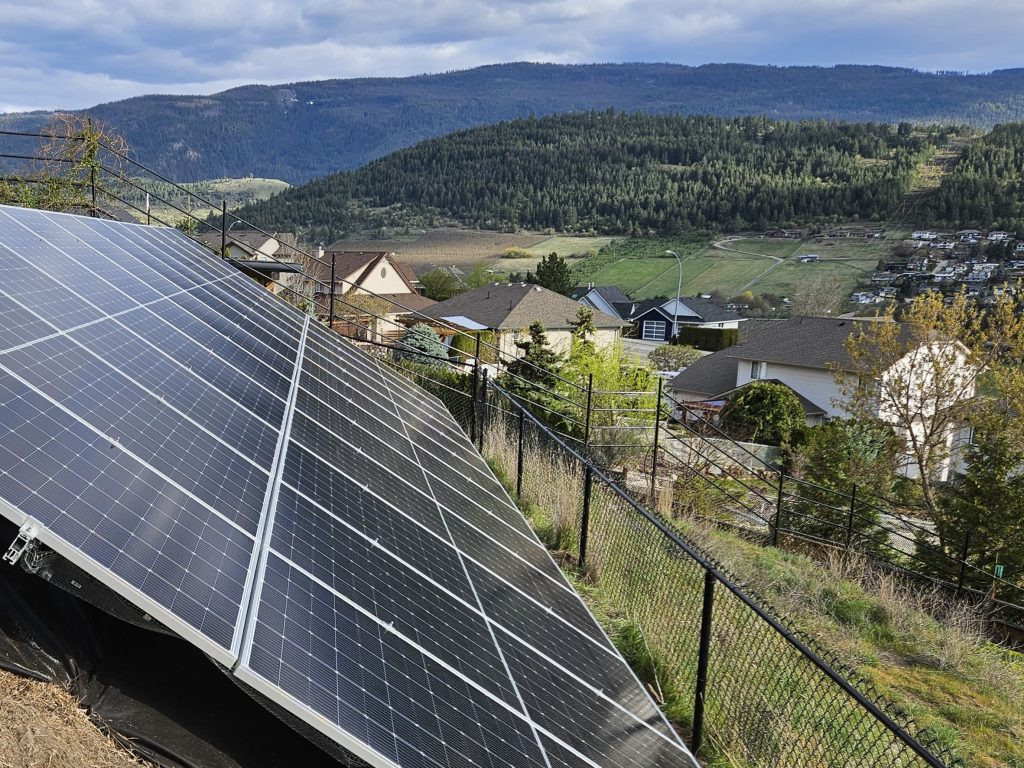
Here’s what happens step by step in a grid tied solar system:
It’s a clean, closed-loop process that makes solar both accessible and financially rewarding for most households.
A grid tied solar system doesn’t require costly battery banks to store power. Instead, the utility grid itself acts as your “virtual battery.” When your panels overproduce, the excess is stored as credits, and when production doesn’t meet the needs of your house, you draw from those credits automatically.
This design minimizes hardware costs, reduces system complexity, and allows your installation to run for decades with little to no maintenance.
In places like Vernon and Kelowna, where sunshine hours vary with the seasons, this flexibility ensures you always have steady access to power without worrying about storage limitations.
The inverter is the heart of every grid tied solar system. It does more than just convert DC to AC, it also ensures safety and communication between your system and the grid.
Modern inverters feature advanced monitoring capabilities that allow homeowners to track energy production in real time. They can even detect outages on the grid and automatically shut off power flow, protecting utility workers during maintenance.
At Roost Solar, we often install SolarEdge inverters for their reliability, performance tracking, and seamless compatibility with both solar panels and future-ready battery systems.This ensures every installation can easily expand as your energy needs evolve, keeping your grid tied solar system efficient, safe, and built for long-term performance.
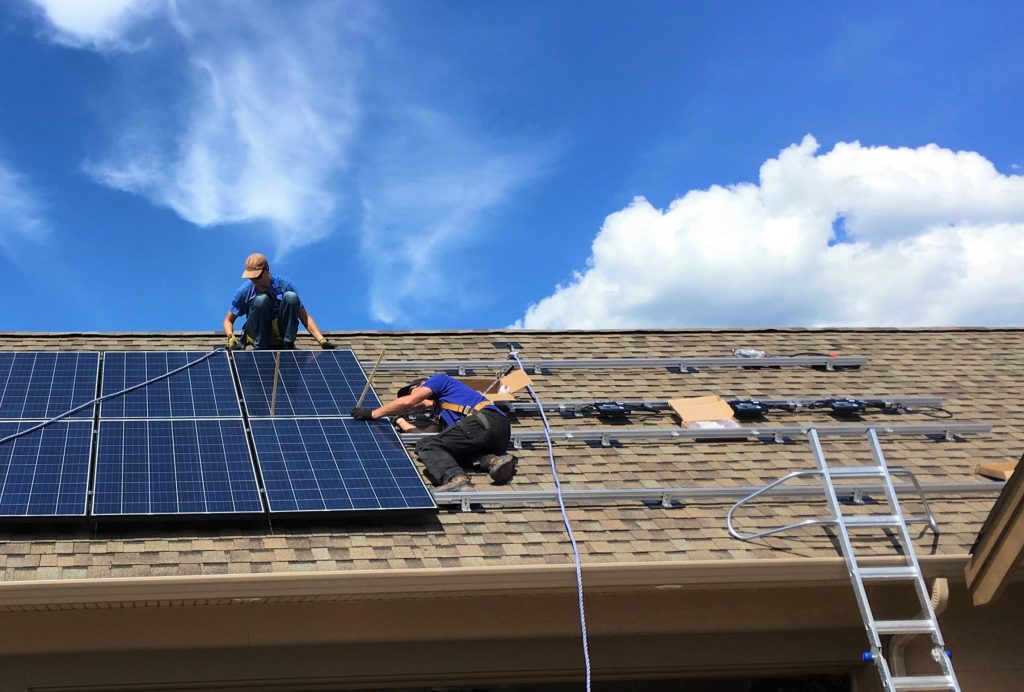
One of the biggest advantages of a grid tied solar system in BC is access to BC Hydro’s Self-Generation program. Under BC Hydro’s program, every kilowatt-hour of electricity you send to the grid is credited to your account.
Those credits are then applied to future bills when your home uses more power than your panels produce. It’s simple, automatic, and ensures that every bit of your solar energy is put to use.
For many homeowners, this means predictable energy costs and faster payback periods.
Every grid tied solar system installed by Roost Solar meets strict Technical Safety BC and utility interconnection requirements. We are committed to providing only the highest quality, cost-competitive equipment from reputable manufacturers with built-in safety features. We are also a Licensed Electrical Contractor with Red Seal Journeyperson Electricians and our team includes the only NABCEP Certified Solar PV Installation Professional in the Okanagan.
Roost Solar uses durable, high-efficiency panels that withstand temperature swings, wind, and snow load common in the Thompson-Okanagan.
Each system is custom-engineered to your property’s layout and energy needs, ensuring optimal sunlight exposure and reliable long-term output.
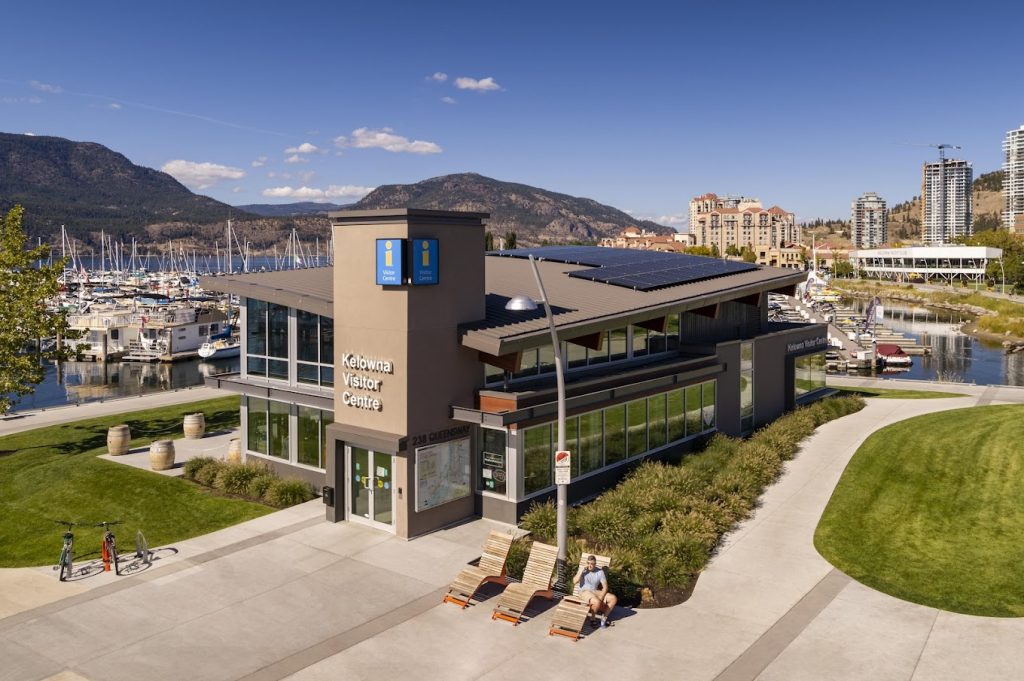
A grid tied solar system is the simplest, most efficient way to generate clean energy while staying connected to the grid. It requires no batteries, operates automatically, and helps you save money month after month through BC Hydro’s Self-Generation program.
For homeowners in Vernon and across the Okanagan, it’s the perfect balance of independence and reliability—a low-maintenance energy solution that pays off for decades.

5101 25th Ave, Vernon, BC


