Quality solar, battery, and energy systems
designed for the Thompson Okanagan.
Built with care. Installed with integrity.
Engineered to deliver clean power for
decades.
As more homeowners across Vernon and the Thompson-Okanagan invest in solar, questions about home battery storage solutions are becoming more common. Solar panels generate electricity during daylight hours, but household energy use does not always align perfectly with solar production. Batteries are designed to help bridge that gap.
Home battery storage solutions are not necessary for every home, but in the right situations, they provide added resilience, flexibility, and control. Understanding when they make sense and how they integrate with a solar system is essential before making a decision.
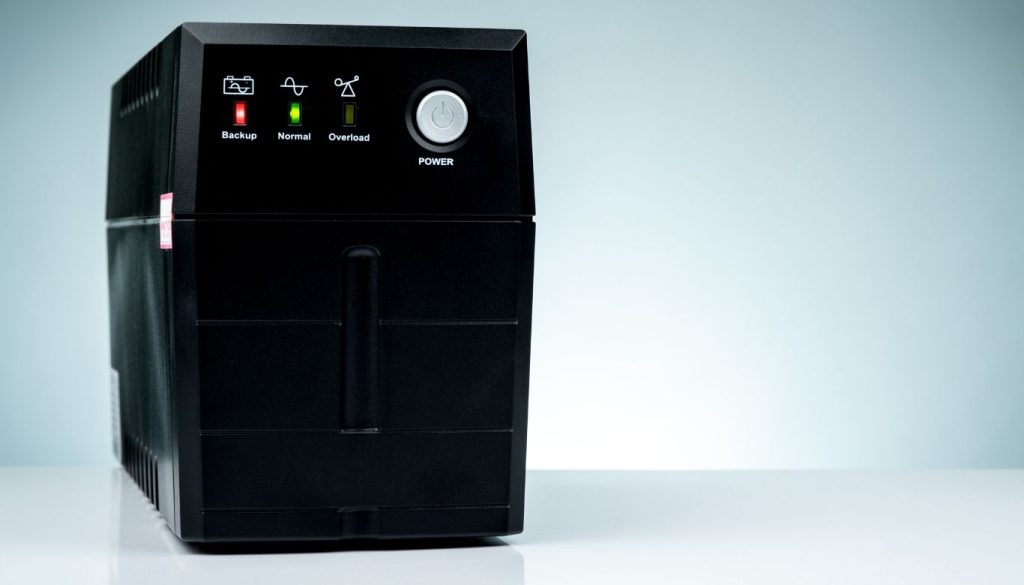
A home battery stores excess electricity generated by a solar system so it can be used later. Instead of sending all surplus energy back to the grid, some of it can be reserved for evening use or during outages.
In a typical grid connected system without batteries:
When home battery storage solutions are added:
The battery becomes an additional energy management layer within the system.
Batteries are not automatically included in every residential solar panel installation because their value depends on homeowner priorities.
Situations where home battery storage solutions often make sense include:
In standard grid tied systems, solar panels shut down during a power outage for safety reasons. A properly designed battery system with backup capability will be designed to power either critical loads or the whole home. With critical load backup, selected circuits are powered during outages. This may include refrigeration, lighting, communication equipment, or heating system components. Critical load back up is more cost efficient than whole home back up.
For homeowners in rural areas of the Okanagan or regions prone to winter storm related outages, resilience can be a primary motivator.
Some homeowners want to reduce reliance on the grid as much as possible. While full off grid living is uncommon in urban Okanagan settings, batteries can increase self consumption of solar energy and reduce grid imports.
Where utility rate structures evolve, batteries may allow homeowners to shift energy usage strategically. This depends entirely on local utility rules and should be evaluated carefully based on current BC Hydro or Fortis electric policies.
As more households adopt electric vehicles, heat pumps, and electric appliances, energy demand increases. Batteries can help smooth demand patterns and support higher self consumption.
It is important to understand that not all battery installations provide whole home backup.
Most residential systems are designed with a critical loads panel. This panel isolates selected circuits that will remain powered during an outage. High demand appliances such as electric furnaces, baseboard heating, or central air conditioning may not be included unless the battery system is specifically sized for that purpose.
In BC Hydro territory, systems must still meet interconnection and anti- islanding requirements. The battery system works within those rules and does not bypass utility safety protections.
Home battery storage solutions represent a larger upfront investment compared to solar panels alone. The financial return is typically evaluated differently.
Solar panels generate direct bill offsets. Batteries primarily provide:
In 2026, provincial and federal incentives may apply to battery systems depending on program eligibility. These programs change periodically and should always be confirmed at the time of installation.
Batteries are most often evaluated as a lifestyle and resilience investment rather than a pure short term financial return.
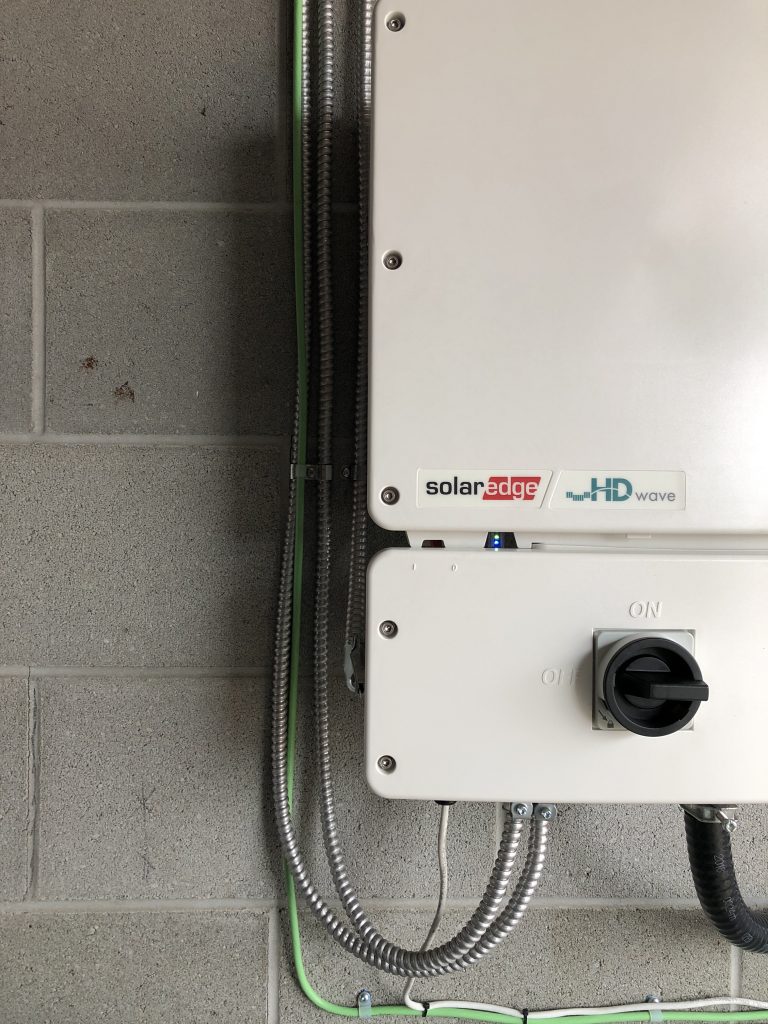
Modern lithium based home batteries are designed for long cycle life. Manufacturers typically provide performance warranties tied to years of operation or total energy throughput.
Like solar systems, batteries include monitoring platforms that track:
There are no routine moving parts, but professional installation and code compliant configuration are critical for safety and longevity.
Not necessarily.
For many homeowners in the Okanagan, grid tied solar alone provides meaningful cost savings through BC Hydro self generation or Fortis electric net metering programs. Batteries add a different type of value.
The decision should be based on:
A proper site assessment ensures expectations are realistic and aligned with household priorities.
Do home battery storage solutions work without solar panels?
Yes. Batteries can charge from the grid alone. However, they are most commonly paired with solar to store self generated electricity and allow the battery to charge during an outage.
Will a battery power my entire home during an outage?
Not usually. Most residential systems are designed to power selected critical loads unless specifically sized for whole home backup.
How long will a home battery last during a blackout?
Backup duration depends on battery capacity, how much electricity is being used, and how quickly the batteries are being recharged by an external power source like a solar array. Limiting usage to essential circuits extends runtime.
Can I add a battery later to my existing solar system?
Often yes. Many systems can be retrofitted with batteries, provided electrical infrastructure supports it.
Do batteries eliminate my electricity bill?
No. Batteries help shift when electricity is used but do not replace the need for solar production or grid connection.
Are batteries required for net metering?
No. Net metering and self generation programs do not require battery storage.
Home battery storage solutions are not about replacing the grid. They are about increasing flexibility, resilience, and long term control.
For homeowners across Vernon and the Thompson-Okanagan, batteries can complement solar in meaningful ways when designed carefully and installed professionally. When evaluated realistically, they provide peace of mind and energy confidence that extend beyond simple bill savings.
At Roost Solar, battery integration is approached with the same emphasis on code compliance, clear expectations, and long term performance as every solar installation.

5101 25th Ave, Vernon, BC


