Quality solar, battery, and energy systems
designed for the Thompson Okanagan.
Built with care. Installed with integrity.
Engineered to deliver clean power for
decades.
It's one of the first questions anyone asks when they start exploring solar. And it's a fair one - but it's also one of the harder ones to answer simply.
The honest answer is: it depends. A solar panel system for a typical Thompson-Okanagan home might range from roughly $15,000 to $35,000 or more before incentives, depending on a wide range of factors. But what matters more than any ballpark number is understanding why quotes vary - sometimes significantly - for the same home.
If you've started gathering estimates and found that two companies are quoting very different numbers, this blog will help you make sense of that. Roost Solar has been designing and installing solar systems across the Thompson-Okanagan since 2016, and transparent pricing is something we take seriously.
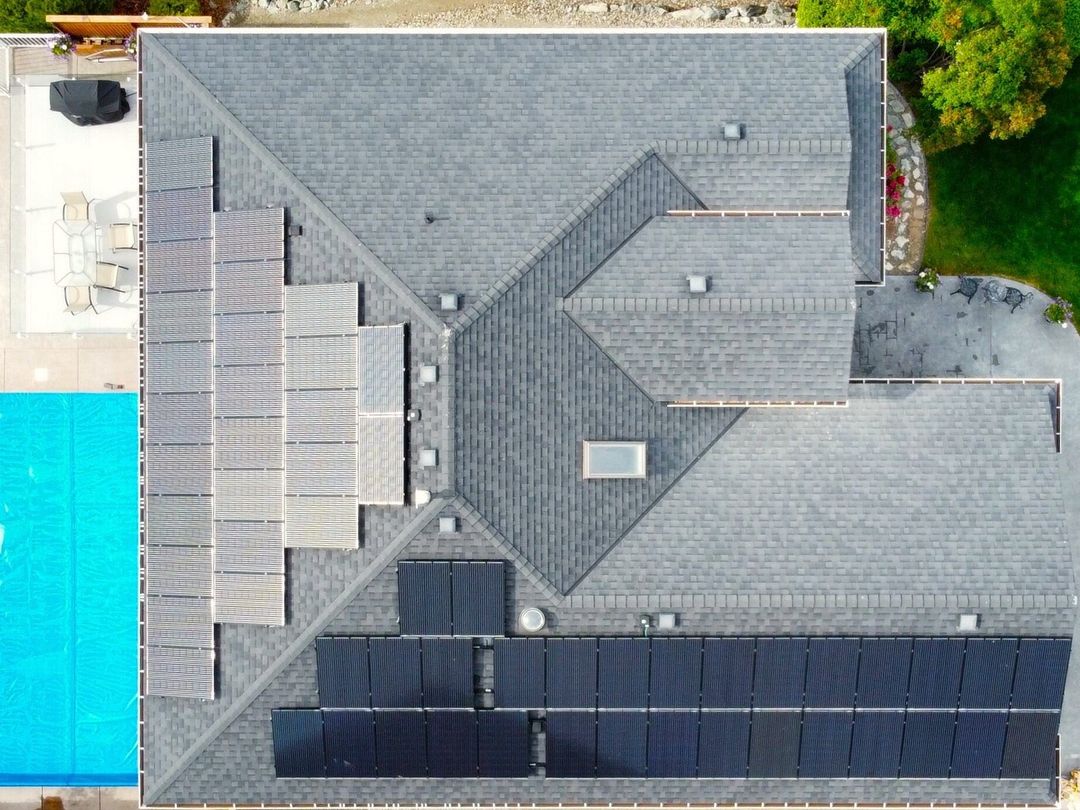
When someone asks how much do solar panels cost, they're really asking about an entire system - not just the panels themselves.
A solar installation includes panels, racking, an inverter, electrical components, wiring, permits, and labour. Each of those line items has its own variables. And before any of them are priced, a series of design decisions have already been made - or assumed - that shape everything downstream.
Two quotes for the same home can look completely different based on how each company approached those decisions. Understanding the main variables helps you compare quotes on equal footing.
Before a single panel is specified, a system has to be designed. And design starts with questions.
How much electricity does your household use? What's your goal - offset as much as possible, or target a specific bill reduction? Are you planning to add an EV, a hot tub, or a heat pump in the next few years? Do you want battery backup capability built in from the start?
The answers to these questions directly determine system size - and system size is the single biggest driver of how much do solar panels cost for your property.
A company that designs to your actual goals and usage will land on a different system size than one applying a generic template. Bigger isn't always better. An oversized system costs more upfront and may not deliver proportionally better returns. An undersized one leaves savings on the table.
Good design is personalized. It's worth asking any installer to walk you through the assumptions behind their proposed system size.
Once a system size is determined, the equipment choices begin - and this is another major source of cost variation between quotes.
Solar panels vary in efficiency, degradation rate, manufacturer warranty, and build quality. A higher-efficiency panel produces more power per square metre, which can matter on roofs with limited space. A panel with a lower degradation rate maintains its output better over time, delivering more value over the system's 25-plus year life.
Inverters follow a similar pattern. String inverters are the most common and typically the most cost-effective option for straightforward installations. Microinverters cost more upfront but perform better on roofs with shading or complex orientations, and often carry longer warranties. Hybrid inverters are designed for battery integration and have their own cost profile.
A quote using entry-level equipment from a lesser-known brand will look cheaper than one using proven, warrantied components from established manufacturers. The difference may not be obvious at the proposal stage - but it can matter a great deal at year 12.
At Roost Solar, the equipment we specify is chosen for long-term performance and reliability, not just upfront price. That approach is reflected in our track record across hundreds of installations in the region.
Of all the factors that affect solar panel cost, electrical scope is the one that catches homeowners most off guard.
Installing a solar system isn't just about putting panels on a roof. The system has to connect to your home's electrical infrastructure - and depending on what's already there, that can be simple or complex.
Some homes have electrical panels that can accommodate a solar connection without any upgrades. Others require a panel upgrade, a subpanel, or additional wiring runs before a solar system can be safely and properly installed. Older homes, rural properties, and agricultural buildings often fall into the more complex category.
A quote that doesn't account for your actual electrical situation may look attractive on paper - until the electrical scope is revised once the installer sees the property. A thorough quote includes an honest assessment of what's required to connect your system properly, with no surprises later.
This is one of the reasons Roost Solar operates as a Licensed Electrical Contractor with an in-house team. We assess electrical scope as part of every system design - not as an add-on after the fact.
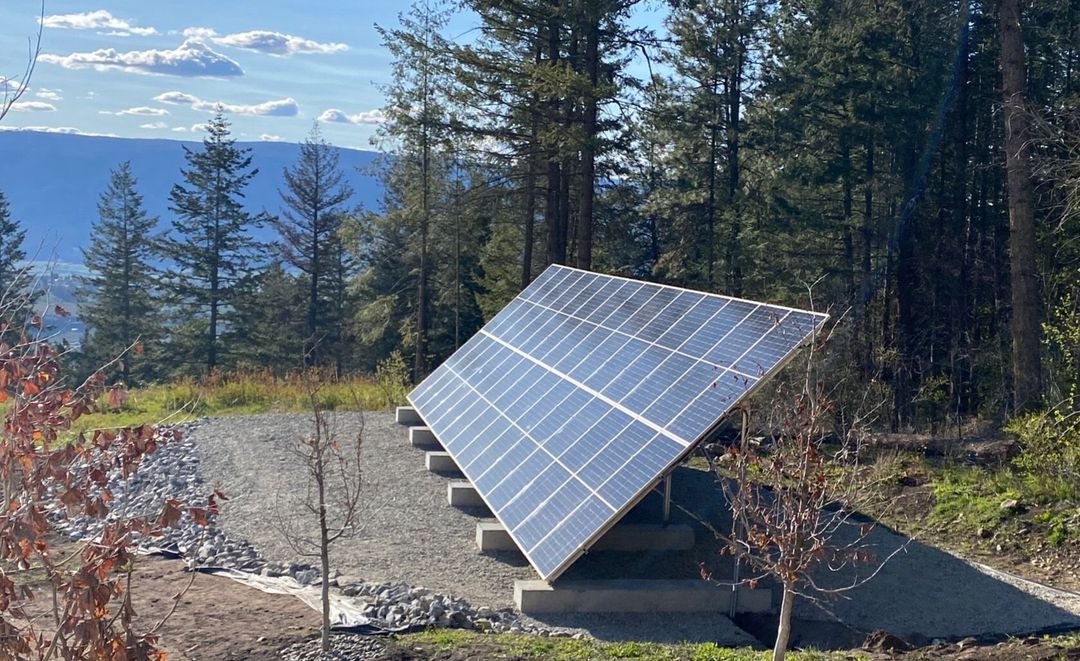
The physical characteristics of your property also affect installation cost in ways that aren't always obvious from a distance.
Roof type matters. Asphalt shingle roofs are generally the most straightforward to work with. Metal standing seam roofs use clamp-based mounting that avoids penetrations entirely. Tile roofs, flat roofs, and complex multi-pitch designs require more time and specialized racking - and that's reflected in the quote.
Roof pitch affects both production and installation complexity. Steeper pitches can increase labour costs. Ground-mount systems - a popular option on agricultural and rural properties in the Thompson-Okanagan - involve different racking, wiring runs, and permitting considerations than rooftop installs.
Site-specific factors like shading from trees or neighbouring structures, distance from the electrical panel, and access for installation crews can all influence the final cost as well.
Every solar installation in BC requires permits and grid interconnection approval. These aren't optional - they're what makes your system legal, safe, and eligible for net metering with BC Hydro or FortisBC.
A complete quote should include permit fees, Technical Safety BC requirements, and the grid connection process from start to finish. Roost Solar handles all of this on your behalf - from the initial BC Hydro self-generation application through to final interconnection approval.
Some quotes bury these costs or present them as variables to be determined later. It's worth confirming upfront that permits and approvals are included and accounted for.
When you're evaluating solar quotes side by side, the price difference is rarely arbitrary. Here's what to look at closely:
A lower quote isn't always a better deal. And a higher quote isn't always justified. The goal is to understand what's actually being proposed - and whether it fits your home, your goals, and your long-term expectations.
How much do solar panels cost? For most Thompson-Okanagan homeowners, the more useful question is: what will this system cost for my home, designed around my actual usage and goals, with equipment that will perform well over the next 25 years?
That's a question that takes a real conversation to answer - not a ballpark from a website.
The variables are real, but they're also navigable. With the right information and the right installer, you can make a decision you'll feel good about for decades.
Want a clear, honest picture of what solar would cost for your property? Get in touch with the Roost Solar team for a free estimate - we'll walk you through the design, the equipment, and the numbers with no pressure and no surprises.
How much do solar panels cost for a typical home in the Thompson-Okanagan?
Most residential solar systems in the region fall in the range of $15,000 to $35,000 before incentives, depending on system size, equipment, and site conditions. The best way to get an accurate number for your property is a free estimate from a local installer who can assess your specific situation.
Why are two solar quotes so different for the same home?
Quotes vary based on design assumptions, equipment quality, electrical scope, and what's included around permits and approvals. A lower quote may reflect a smaller system, entry-level components, or costs that haven't been fully accounted for yet. Comparing quotes carefully - not just the bottom line - tells the real story.
Does the type of roof affect solar panel cost?
Yes. Asphalt shingle roofs are generally the most cost-effective to work with. Tile, flat, and complex multi-pitch roofs require more specialized racking and labour. Ground-mount systems have their own cost profile that varies based on site conditions and wiring distance.
Are permits and grid connection included in solar quotes?
They should be. A complete quote covers permits, Technical Safety BC requirements, and the BC Hydro or FortisBC grid interconnection process. Always confirm these are included rather than estimated separately.
Does electrical panel condition affect the cost of going solar?
It can. Some homes require an electrical panel upgrade or additional wiring before a solar system can be properly connected. A thorough installer assesses this upfront and includes it in the quote - rather than flagging it as a surprise after the fact.

5101 25th Ave, Vernon, BC


