Quality solar, battery, and energy systems
designed for the Thompson Okanagan.
Built with care. Installed with integrity.
Engineered to deliver clean power for
decades.
Solar works the same way everywhere - but a solar system design that fits a Kelowna townhouse looks nothing like one built for a 50-acre ranch outside Armstrong.
The Thompson-Okanagan is a remarkably varied region. Utility zones shift. Roof styles change from neighbourhood to neighbourhood. Rural properties bring acreage, agricultural loads, and aging electrical infrastructure into the picture. Each of these variables shapes how a solar system is designed - and getting that design right is what determines how well your system performs over the long run.
Roost Solar has been designing and installing solar systems across this region since 2016. Here's what we've learned about how location and property type change the design conversation.
Before a single panel is placed, a solar system design has to account for who supplies your electricity - and what their rules are.
In the Thompson-Okanagan, most properties fall under either BC Hydro or FortisBC. Vernon, Coldstream, Kelowna, Kamloops, and most surrounding communities are BC Hydro territory. Parts of the Okanagan - including some areas around Kelowna and the South Okanagan - are served by FortisBC or smaller regional utilities.
This matters because each utility has its own net metering program, interconnection requirements, and application process. The rules governing how your excess solar production is credited, how grid connection is approved, and what technical documentation is required differ between providers.
A system designed for BC Hydro interconnection isn't wrong for a FortisBC property - but the process, paperwork, and timeline look different. Knowing which utility serves your property is one of the first questions in any proper solar system design process.
Roost Solar handles all permitting and grid connection on your behalf, across every utility zone we serve. You can see the full range of communities we work in across the Thompson-Okanagan.
Vernon and the surrounding North Okanagan - Coldstream, Armstrong, Lumby, Enderby - are a mix of established residential neighbourhoods, newer subdivisions, and rural acreage on the edges of town.
In established neighbourhoods, solar system design often starts with the roof. Homes built in the 1980s and 1990s tend to have steeper pitches and more complex rooflines - multiple faces, dormers, vents, and obstructions that limit usable panel area. Orientation varies widely, and not every roof face is a candidate for solar.
In these cases, design work involves careful shading analysis and panel placement to maximize production from the available space. Sometimes a ground mount is worth exploring if roof space is genuinely limited. The goal is always to size the system to your actual usage - not to fill every available square metre of roof.
Newer subdivisions in Vernon tend to have more solar-friendly roof geometry: simpler pitches, south or west-facing orientations, and fewer obstructions. These properties often support straightforward rooftop designs with good production potential.
Electrical service in older Vernon homes can also be a factor. Homes with older 100-amp panels may require a service upgrade before a solar system can be properly connected - a cost that should be assessed and included upfront in any honest quote.

Kelowna brings its own solar system design considerations. It's the largest urban centre in the region, and its housing stock reflects that - ranging from compact infill lots and townhouses near the core to large lakeview estates on the benches and newer subdivisions in communities like Lake Country and West Kelowna.
One design factor that comes up more frequently in Kelowna than almost anywhere else in the region: tile roofs. Mediterranean and Spanish-style tile is common on homes built during the late 1990s and 2000s, particularly on the hillside neighbourhoods above the lake. Tile roofs require specialized racking hardware and more careful installation technique than asphalt or metal roofs - and that's reflected in both the design and the cost.
Flat and low-slope roofs are also more common in Kelowna's commercial and multi-family buildings. These use ballasted racking systems that sit above the roof surface rather than penetrating it, which changes the structural load calculations and the panel tilt angle used in the design.
Shading is another Kelowna-specific consideration. Mature trees, neighbouring structures on dense lots, and east-west oriented homes on narrow lots can all limit production potential on certain roof faces. A thorough solar system design accounts for this with shading analysis rather than just pointing panels south and hoping for the best.
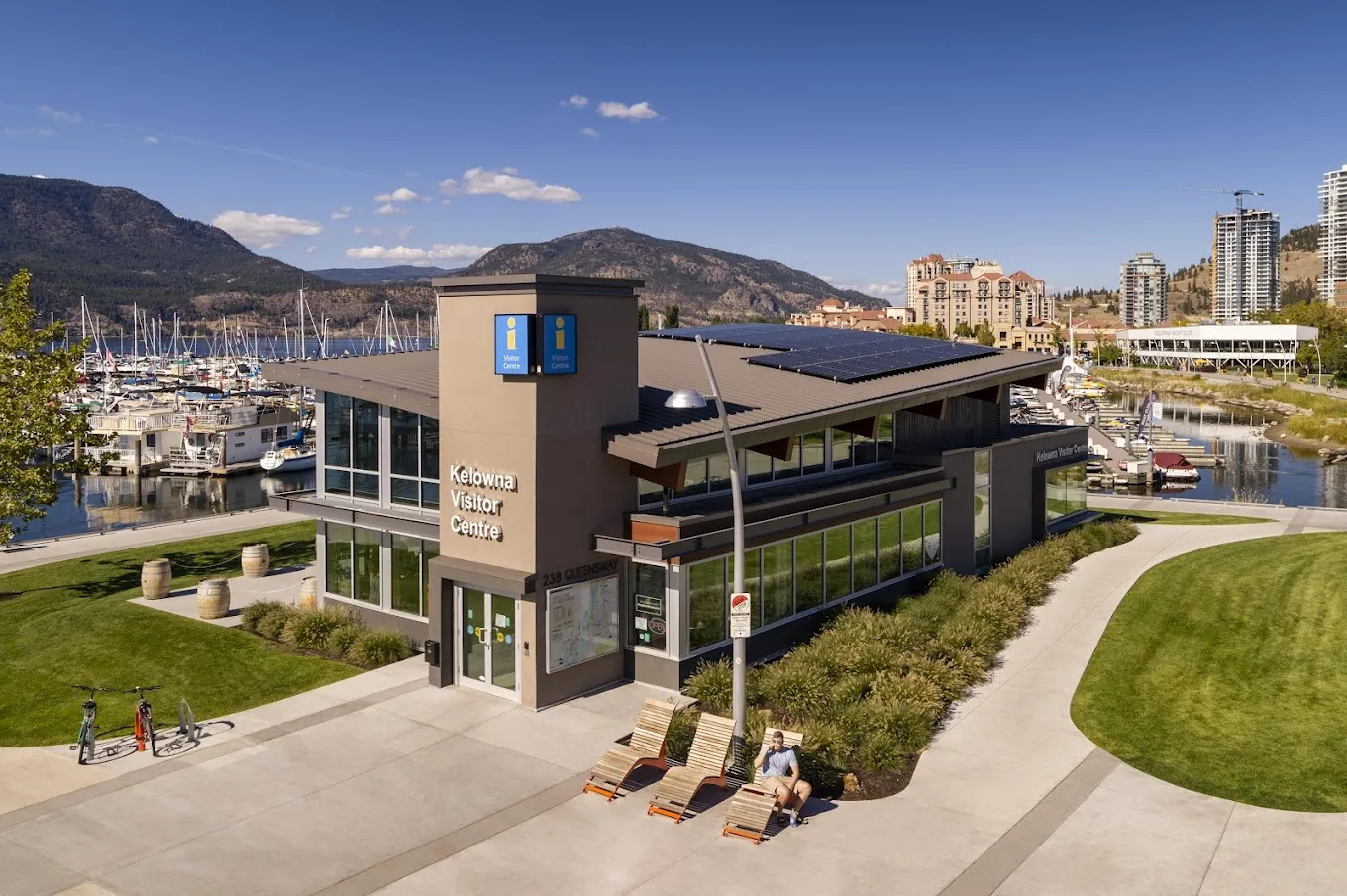
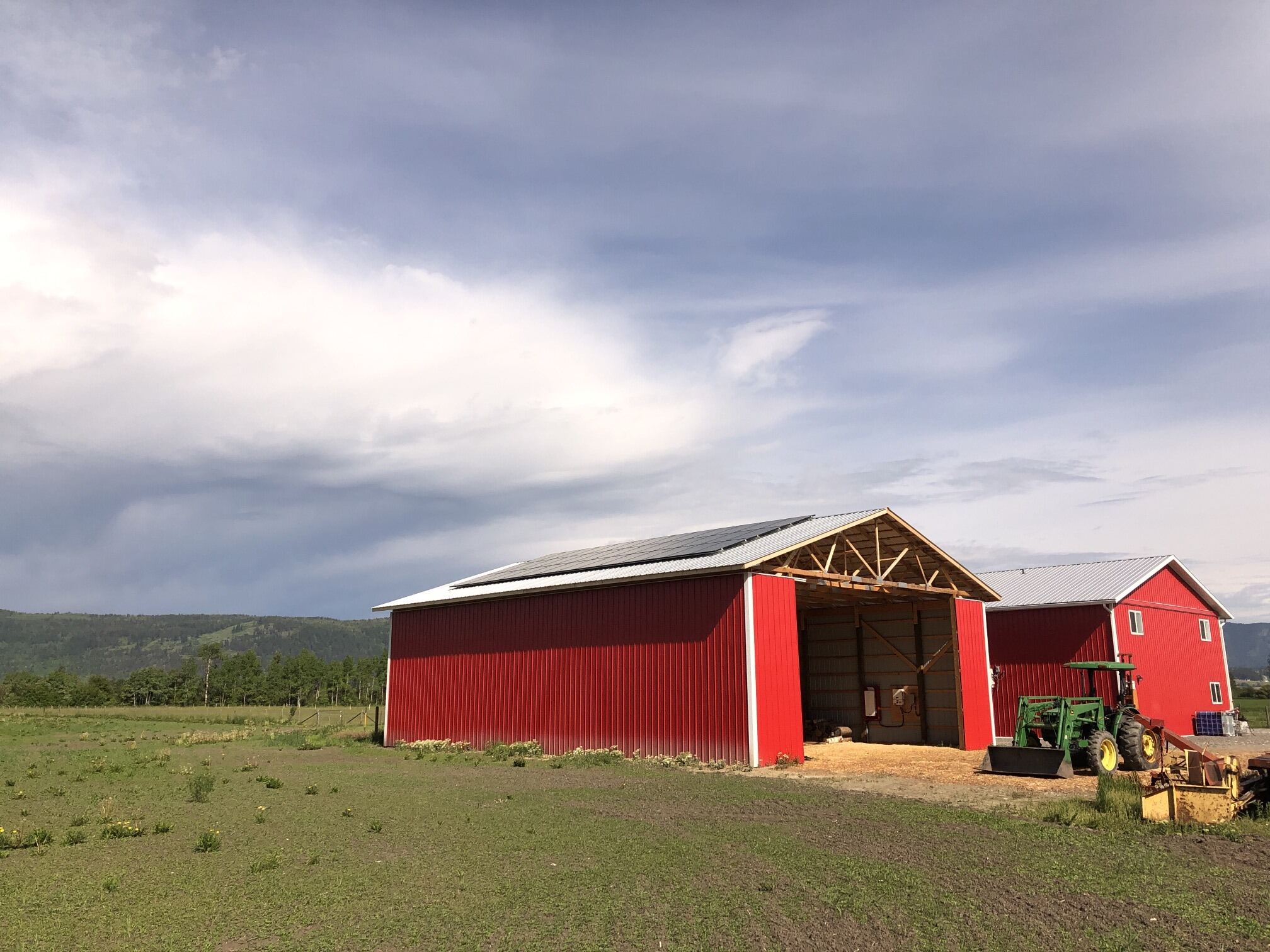
Rural properties - farms, acreages, hobby farms, and agricultural operations outside the urban centres - represent some of the most interesting and complex solar system design work in the region.
The variables multiply quickly. Service sizes on rural properties vary enormously, from standard residential 200-amp services to three-phase commercial services on larger operations. Understanding the existing electrical infrastructure is essential before any system can be designed properly.
Agricultural loads are different from residential ones. Irrigation pumps, shop equipment, cold storage, grain handling, and livestock operations all have specific power demands - sometimes with large inrush currents that affect how a solar system is sized and how it interacts with the grid. A solar system design for a working farm needs to account for the operational reality of that farm, not just the square footage of the farmhouse roof.
Ground mounts are far more common on rural properties than in urban settings. With acreage available, a ground-mounted array can be positioned and oriented for maximum solar exposure - independent of roof geometry, pitch, or shading. They also tend to be easier to service and expand over time.
Battery systems come up more often in rural solar system design conversations as well. Properties on the edges of the grid sometimes experience more frequent outages, and the value of backup power is more tangible when the nearest utility truck is an hour away. A well-designed battery integration starts at the design phase - not as a bolt-on after installation.
One thing that doesn't vary dramatically across the Thompson-Okanagan is solar resource. Vernon, Kelowna, Kamloops, and the rural communities between them all enjoy strong sun hours - significantly better than coastal BC and competitive with most of Canada.
There are subtle differences. Kelowna's lakeshore location can bring morning fog in shoulder seasons. Higher elevation rural properties may see more cloud cover in winter. But these differences are relatively minor compared to the design variables discussed above.
The Thompson-Okanagan is simply a good solar region. Wherever your property sits within it, the resource is there. The design work is about capturing it as effectively as possible given your specific site, roof, utility, and energy needs.
Across Vernon, Kelowna, and every rural property in between, good solar system design shares the same foundation: it starts with your property and your goals, not a template.
That means a real site assessment. An honest look at your roof, your electrical service, your utility zone, and your energy usage. A system sized to what you actually need - with equipment chosen for long-term performance in your specific conditions.
The Roost Solar team has done this work across hundreds of properties in the Thompson-Okanagan. That local experience shapes every design we produce - because a system that works brilliantly in one context can be the wrong fit in another.
How solar system design comes together depends on where you are, what you're working with, and what you're trying to achieve. A Vernon rancher from the 1990s, a Kelowna hillside home with tile roofing, and a Lake Country acreage with a shop and irrigation pump are three completely different design conversations.
That's not a complication - it's just the reality of doing this work properly. And it's exactly the kind of work Roost Solar has been built around.
Want to know what a solar system design looks like for your specific property? Get in touch with the Roost Solar team for a free estimate - we'll assess your site, your utility zone, and your goals and put together a design that actually fits.
Does it matter which utility serves my property for solar system design?
Yes, meaningfully. BC Hydro and FortisBC have different net metering programs, interconnection requirements, and approval processes. Knowing your utility zone is one of the first steps in any proper solar system design, and a good installer handles the grid connection process on your behalf regardless of which utility you're with.
Are tile roofs more expensive to install solar on?
Generally, yes. Tile roofs require specialized racking hardware and more careful installation technique than asphalt shingle or metal roofs. This affects both the design approach and the overall cost. It's worth making sure any installer you work with has direct experience with tile roof installations in the region.
Can rural properties with agricultural loads go solar?
Absolutely - and many do. Agricultural solar system design involves understanding your operational loads, service size, and whether a ground mount makes more sense than a rooftop install. Battery backup is also worth discussing for rural properties that experience grid outages. The design process just needs to account for the full picture of how your property uses energy.
Is a ground mount better than a rooftop system?
It depends on the property. Ground mounts offer flexibility in orientation and tilt, are easier to service, and can be expanded more readily. They're often the right choice for rural properties with available land and limited or unsuitable roof space. In urban and suburban settings, rooftop installations are typically more practical and cost-effective.
Does shading affect solar system design?
Yes, and it's taken seriously in a proper design process. Shading from trees, neighbouring structures, or roof obstructions reduces production on affected panels. Good design uses shading analysis to position panels where they'll actually perform - rather than placing them based on convenience alone.

5101 25th Ave, Vernon, BC


