Quality solar, battery, and energy systems
designed for the Thompson Okanagan.
Built with care. Installed with integrity.
Engineered to deliver clean power for
decades.
If you've ever looked into going solar, you've probably seen the phrase "25-year warranty" thrown around. But what does that actually mean? And does it tell you the whole story about how long your solar system will last?
The honest answer is: not entirely. Solar panel lifespan involves more than a single warranty number. It's a combination of panel degradation rates, inverter longevity, and how well the system is designed and installed in the first place. Roost Solar has been helping Thompson-Okanagan homeowners and businesses understand exactly this since 2016 - because an informed customer makes better long-term decisions.
Here's how solar system lifespan is actually measured, and what you should be paying attention to.

Solar panels don't stop working after 25 years - they just produce slightly less power over time. This gradual decline in output is called degradation, and it's a normal part of how solar technology works.
Most quality solar panels degrade at a rate of around 0.5% per year. That means after 25 years, a well-made panel is typically still operating at roughly 87-88% of its original capacity. That's still a lot of usable clean energy.
The key is knowing what degradation rate your panels are rated for before you buy. Lower is better, and reputable manufacturers back this up with a performance warranty - a guarantee that your panels won't fall below a certain output threshold over time. This is different from a product warranty, which covers physical defects.
When comparing solar quotes, always ask about both.
These two warranties often get lumped together, but they cover very different things.
Both matter. A panel can technically "work" while underperforming significantly if its degradation rate is higher than expected. A strong performance warranty gives you recourse if that happens.
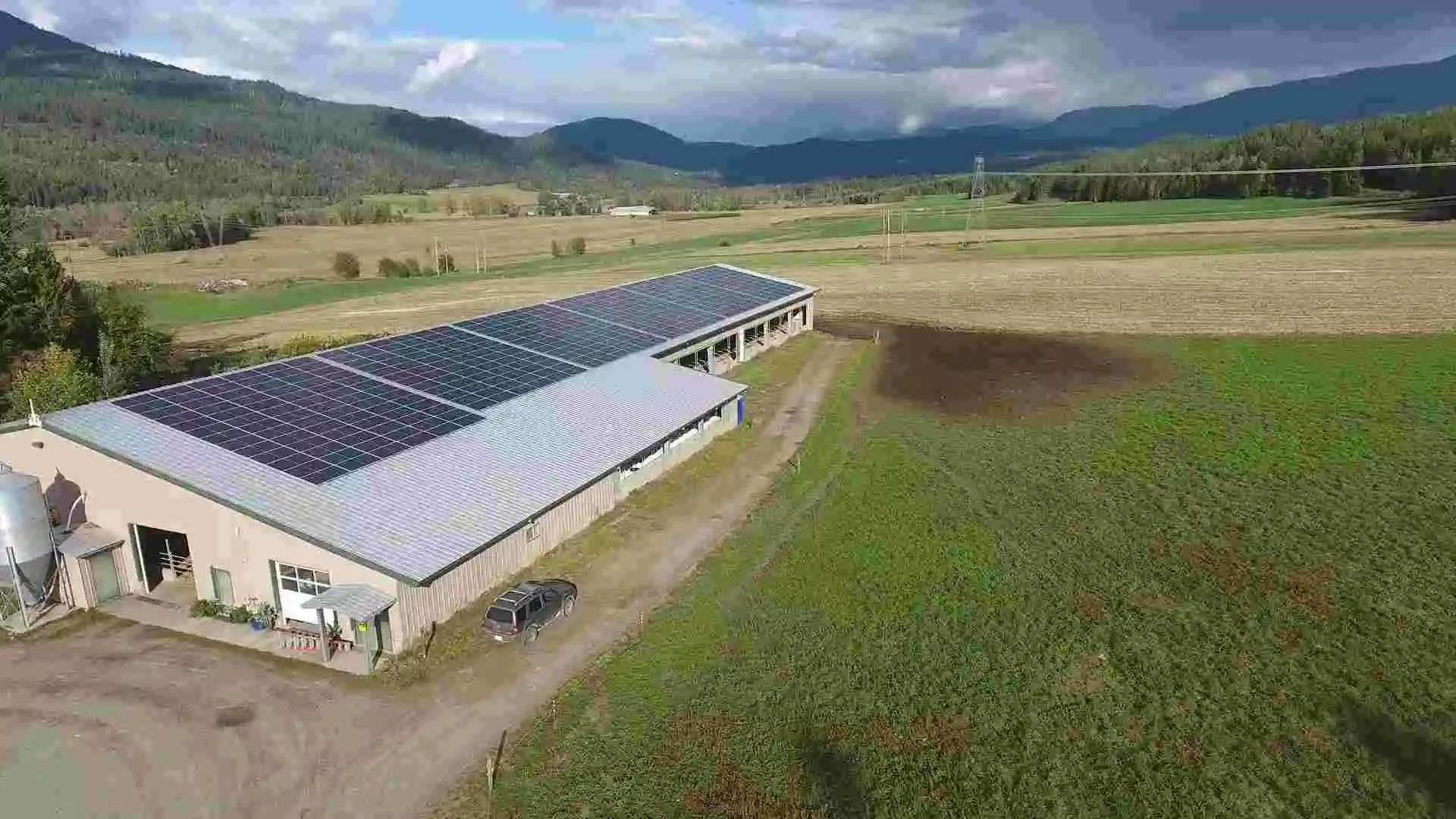
When Roost Solar designs a system, the equipment we specify is chosen with long-term performance in mind - not just upfront cost. You can see examples of that approach in our completed solar projects.
Panels often get all the attention, but your inverter is just as important to your system's long-term performance.
The inverter is the component that converts the DC electricity your panels generate into the AC electricity your home or business actually uses. Without it, your panels are essentially useless.
Here's the thing: inverters typically have a shorter lifespan than panels. Most string inverters are rated for 10 to 15 years, while microinverters and hybrid inverters used in battery systems often carry 20 to 25-year warranties. That means for many systems, at least one inverter replacement should be factored into your long-term cost planning.
This isn't a reason to avoid solar - it's just a reality worth understanding. A well-designed system accounts for inverter lifespan from the beginning, and a good installer will walk you through what to expect over the life of your system.
If your system includes a battery, that's another component with its own lifespan considerations.
Home battery systems like the LG RESU or Tesla Powerwall typically carry warranties of 10 years, often tied to a guaranteed number of charge cycles. Over time, batteries lose some of their storage capacity - similar to how a phone battery holds less charge after a few years.
For most homeowners in the Thompson-Okanagan, a battery system is about resilience and energy independence, not just raw storage numbers. Understanding how your battery ages helps you set realistic expectations and plan ahead.

Here's something that doesn't show up on any spec sheet: the quality of the installation itself has a significant impact on how long your solar system performs well.
Poor mounting can lead to water infiltration or panel movement over time. Incorrect wiring increases the risk of faults. Undersized components can strain the system. These issues don't always show up immediately - they can quietly reduce performance or cause failures years down the road.
This is one of the reasons Roost Solar operates as a Licensed Electrical Contractor with an in-house team. Every installation is done by trained professionals who are accountable for their work, not subcontracted out to whoever is available.
Putting it all together, here's a reasonable picture of what to expect from a quality solar installation:
A solar system isn't a single product with one expiration date. It's a collection of components, each with its own lifespan - and a good installer designs around all of them.
Solar panel lifespan is also influenced by local climate conditions. The Thompson-Okanagan is an excellent solar region - high sun hours, relatively mild winters, and low humidity compared to coastal BC. These conditions are actually gentler on solar equipment than harsher climates.
That said, snow loads, temperature cycling, and the occasional high wind are real factors in this region. Local experience matters. A company that has been installing systems here since 2016 understands those conditions in a way that a national provider simply can't replicate.
Solar systems are a long-term investment, and understanding solar panel lifespan means looking beyond a single warranty number. Degradation rates, performance warranties, inverter longevity, battery life, and installation quality all play a role in how your system performs over decades - not just years.
The good news is that a well-designed, properly installed solar system in the Thompson-Okanagan can genuinely deliver clean, reliable energy for 25 to 30 years or more. It just takes the right partner to get there.
Ready to understand what a long-lasting solar system looks like for your property? Reach out to the Roost Solar team for a free estimate - we'll walk you through the options, the numbers, and what to expect over the life of your system.
How long do solar panels actually last?
Most quality solar panels are designed to last 25 to 30 years or more. They don't stop working after that point - they simply produce a bit less power over time due to gradual degradation. Many panels continue to generate useful electricity well beyond their warranty period.
What is solar panel degradation?
Degradation is the gradual reduction in a panel's output over time. Quality panels typically degrade at around 0.5% per year, meaning after 25 years they're still producing roughly 87-88% of their original capacity. This is normal and accounted for in most system designs.
Do inverters need to be replaced during the life of a solar system?
Yes, in many cases. String inverters typically last 10 to 15 years, so a replacement is often expected over the full lifespan of a solar system. Microinverters and hybrid inverters used with battery systems often carry longer warranties of 20 to 25 years.
What's the difference between a performance warranty and a product warranty?
A product warranty covers physical defects or premature failure of the panel itself. A performance warranty guarantees that your panels will still produce a minimum percentage of their rated output - usually 80-90% - after 25 years. Both are important to review before purchasing.
Does climate affect solar panel lifespan?
Yes. Extreme heat, humidity, heavy snow loads, and temperature swings can all affect equipment over time. The Thompson-Okanagan's climate is actually well-suited for solar - good sun hours and relatively moderate conditions that are gentler on equipment than many other regions.

5101 25th Ave, Vernon, BC


