Quality solar, battery, and energy systems
designed for the Thompson Okanagan.
Built with care. Installed with integrity.
Engineered to deliver clean power for
decades.
For many homeowners in Vernon and across the Okanagan, solar is no longer viewed as a lifestyle upgrade or an environmental statement alone. It is increasingly seen as a tangible, transparent investment that delivers measurable financial returns, long term stability, and peace of mind.
Unlike many home upgrades that rely on future resale value or subjective appeal, solar produces a clear and trackable outcome. It generates electricity, reduces ongoing expenses, and offers predictable performance over decades.
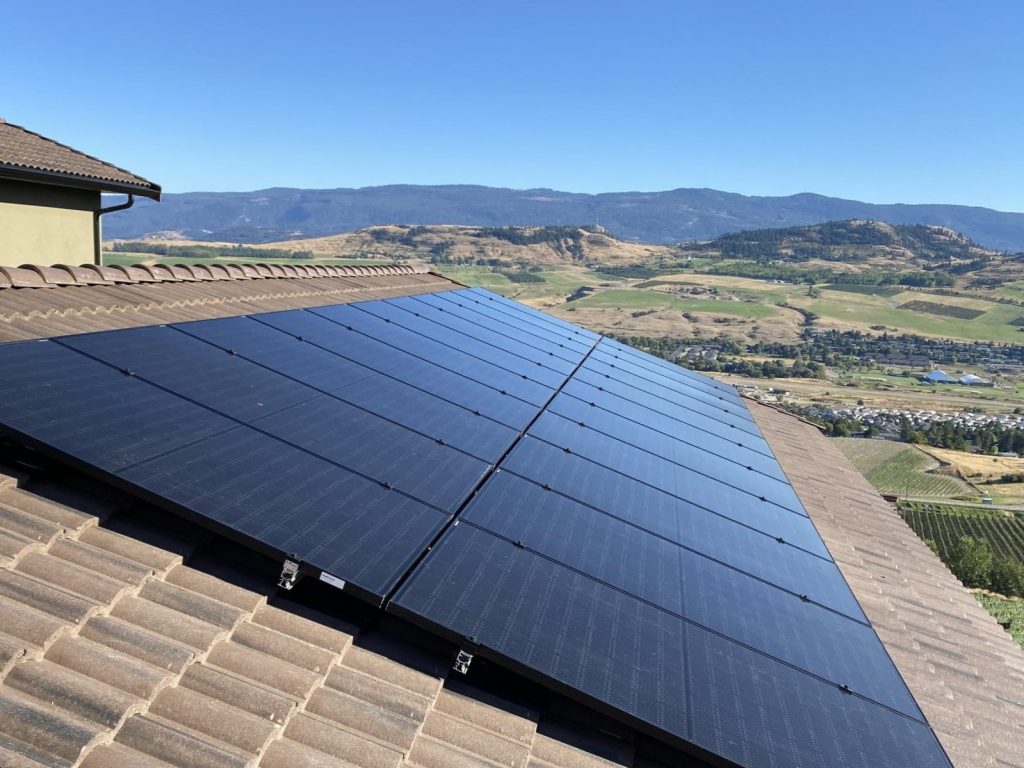
Solar stands apart from many traditional investments because homeowners can see exactly how it performs.
Once a system is turned on, energy production is monitored in real time. Homeowners can track how much electricity their system produces, how much power is used on site, and how much is exported back to the grid. Every kilowatt hour generated is recorded, making solar one of the most transparent investments available to homeowners today.
In the Okanagan, where solar exposure is strong and seasonal production patterns are well understood, system output can be accurately modeled before installation and verified after commissioning.
The most direct financial return from solar comes from reduced electricity purchases.
By generating power on site, homeowners offset a portion of their BC Hydro usage. Over time, this reduces exposure to electricity rate increases and helps stabilize monthly household costs. Under net metering programs, excess electricity produced during sunny months can be credited and used later when production is lower.
For many Okanagan homeowners, this means solar contributes value every month, not just during peak summer periods.
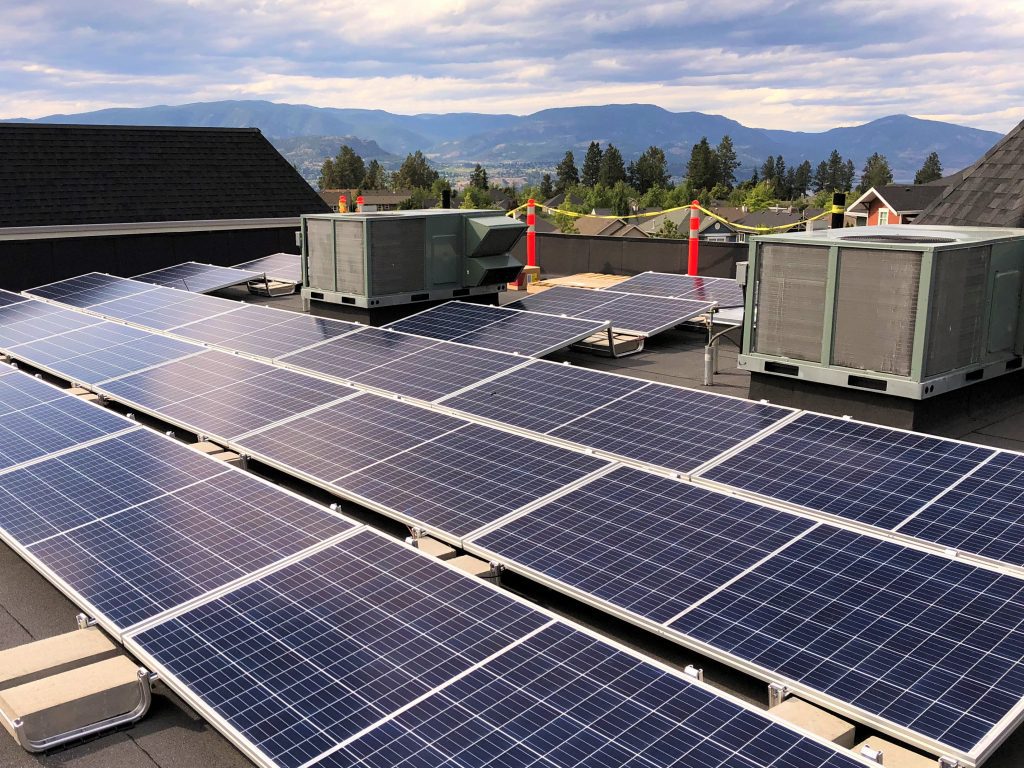
Long Term Stability in an Uncertain Energy Landscape
Energy costs are one of the least predictable household expenses. Rates are influenced by infrastructure investment, climate related demand, and broader economic conditions.
Solar helps homeowners regain control over a portion of their energy supply. While it does not eliminate grid reliance entirely, it reduces exposure to future price increases and demand driven volatility.
In 2026, this stability is a major driver for homeowners considering solar as part of a long term financial plan rather than a short term upgrade.
Modern residential solar systems are engineered for longevity. Panels are designed to operate for 25 years or more, with slow and well documented performance degradation. Inverters and racking systems are built to withstand the temperature swings, snow loads, and wind conditions common throughout the Okanagan.
This durability allows solar to behave more like infrastructure than a consumable product. Once installed, the system continues producing value year after year with minimal intervention.
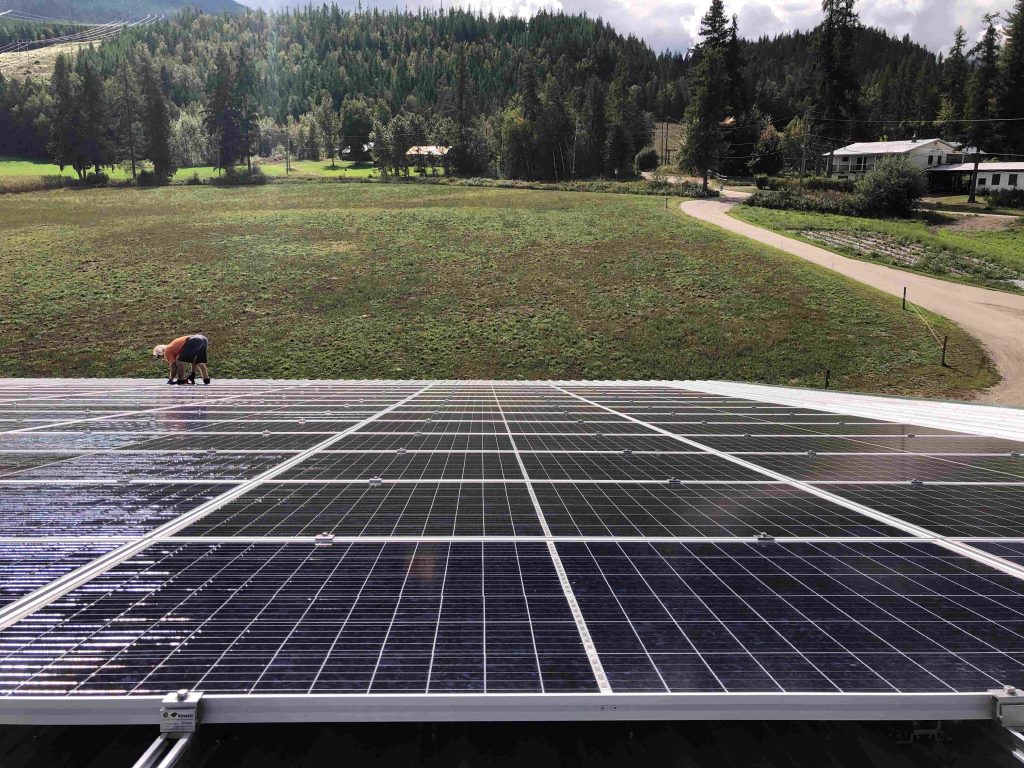
While dollars saved matter, many homeowners also value the less tangible benefits of solar.
There is confidence in knowing a portion of household energy is produced locally and independently. For homeowners who add battery storage, solar can also provide backup power during outages, adding resilience to the home.
This combination of cost control, reliability, and energy independence contributes to the peace of mind that many homeowners cite as a key reason for investing in solar.
Unlike renovations that may or may not increase resale value, solar delivers utility whether a homeowner stays long term or sells in the future. The system produces electricity regardless of market conditions and its value can be demonstrated through performance data and energy savings history.
For homeowners planning to remain in their homes for many years, solar often aligns naturally with long term financial planning and retirement strategies.
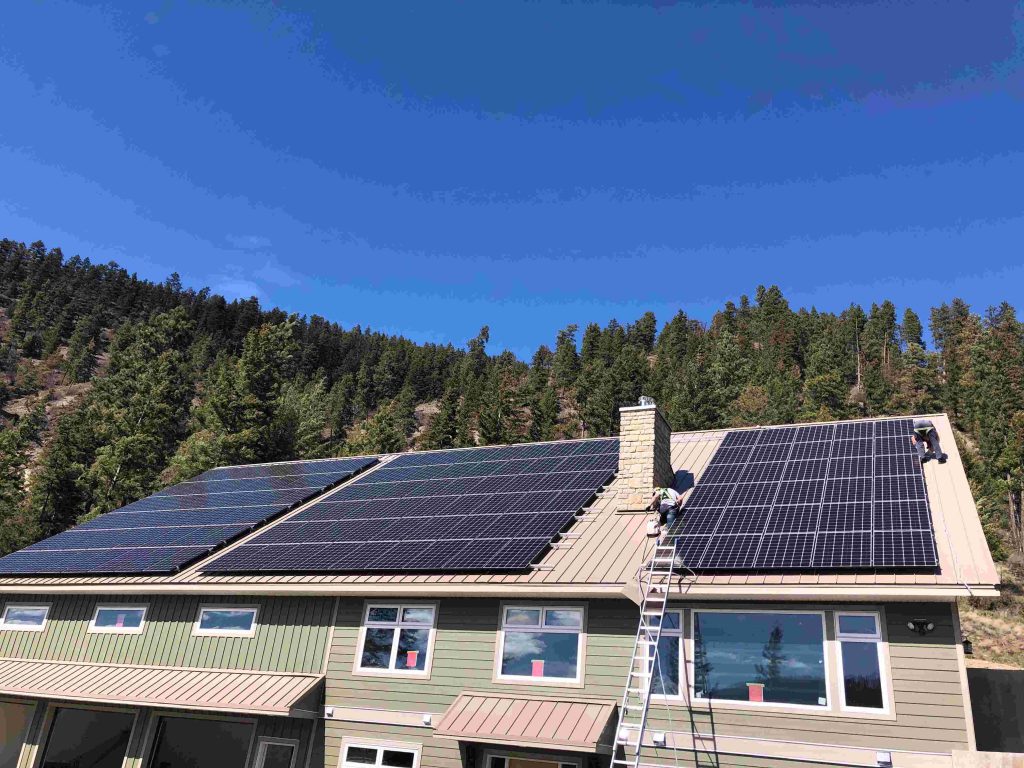
The Okanagan offers a strong combination of solar exposure, growing energy demand, and homeowner interest in long term sustainability.
Roof designs, property layouts, and available space often make residential solar installations efficient and cost effective. Local familiarity with seasonal production patterns allows systems to be sized realistically, avoiding over or under investment.
This regional fit is a key reason solar adoption continues to grow across Vernon and surrounding communities.
Solar is not a speculative investment. It does not rely on market timing or future resale assumptions. Its value is created through consistent electricity production, reduced operating costs, and increased energy certainty.
For homeowners in the Okanagan in 2026, solar represents a practical and measurable way to invest in their home while gaining long term stability and confidence in their energy future.
When evaluated carefully and installed professionally, solar delivers returns that homeowners can see, track, and rely on for decades.
Get a free estimate for your property
Is solar really an investment or just a way to reduce electricity bills?
For most homeowners, solar functions as both. It reduces ongoing electricity costs while also delivering long term, measurable value through consistent energy production. Unlike many home upgrades, solar provides quantifiable performance data and predictable outcomes over time.
How long does it take for a residential solar system to pay for itself?
Payback periods vary depending on system size, household energy use, available incentives, and electricity rates. In the Okanagan, homeowners often evaluate solar over a long term horizon, focusing on total lifetime savings rather than a fixed short term payback window.
Does solar still make sense if electricity rates change?
Yes. One of the key benefits of solar is reduced exposure to future rate increases. Even if rates fluctuate, producing electricity on site helps stabilize a portion of household energy costs over the life of the system.
How reliable are modern solar systems over time?
High quality solar panels are designed to operate for 25 years or more with gradual and well documented performance degradation. When paired with professional installation and code compliant electrical design, systems are highly reliable and require minimal maintenance.
Can homeowners track the financial performance of their solar system?
Yes. Modern monitoring systems allow homeowners to view energy production, consumption, and exports in real time. This transparency makes it easy to understand how the system is performing and how it contributes to monthly and annual savings.
Is solar a good fit for every home in the Okanagan?
Not every property is ideal. Roof orientation, shading, structural condition, and electrical set-up all affect system viability. A proper solar assessment ensures homeowners receive accurate expectations before moving forward.
Does adding battery storage change the investment value?
Battery storage can increase energy resilience and provide backup power during outages. While batteries are not always installed for direct financial return alone, many homeowners value the added reliability and peace of mind they provide.
What happens if I sell my home after installing solar?
Solar systems continue to generate electricity regardless of ownership. The system’s value can be demonstrated through production data and energy savings history, which many buyers view as a benefit when evaluating a home.
5101 25th Ave, Vernon, BC


