Quality solar, battery, and energy systems
designed for the Thompson Okanagan.
Built with care. Installed with integrity.
Engineered to deliver clean power for
decades.
Adding solar panels to your home is one of the more significant energy decisions you can make - and one that tends to prompt a lot of questions before anything else happens. How does it work? What does it cost? Is my roof suitable? How long before it pays off?
This guide answers those questions practically and honestly, with BC's specific utility environment and incentive landscape in mind. If you're a BC homeowner at the start of your solar research, this is a good place to start.
Roost Solar has been designing and installing solar panels for homes across BC's Thompson-Okanagan since 2016. Here's what you need to know.

Solar panels generate electricity by converting sunlight into DC electricity through photovoltaic cells. An inverter converts that DC electricity into the AC electricity your home uses. From there, your home draws on solar-generated power first, pulling from the grid only when your panels aren't producing enough to meet demand - overnight, on cloudy days, or during high-consumption periods.
When your panels produce more electricity than your home is using, the surplus is exported to the grid. Under BC Hydro's self-generation program, exported electricity is credited to your account at 10 cents/kWh. Those credits accumulate during high-production summer months and draw down through lower-production winter months, smoothing the seasonal swing across your annual bill.
The result is a home that generates a meaningful portion of its own electricity, reducing what it buys from BC Hydro and delivering financial value over the life of the system.
Not every home is equally well suited to solar panels, and a real site assessment will give you the most accurate picture of your specific property. That said, a few factors give a good early sense of fit.
Factors that work in your favour:
Factors worth assessing carefully:
None of the second list rules solar out entirely, but they're worth understanding before getting into quotes. A good installer will address each of these directly during the site assessment rather than working around them.
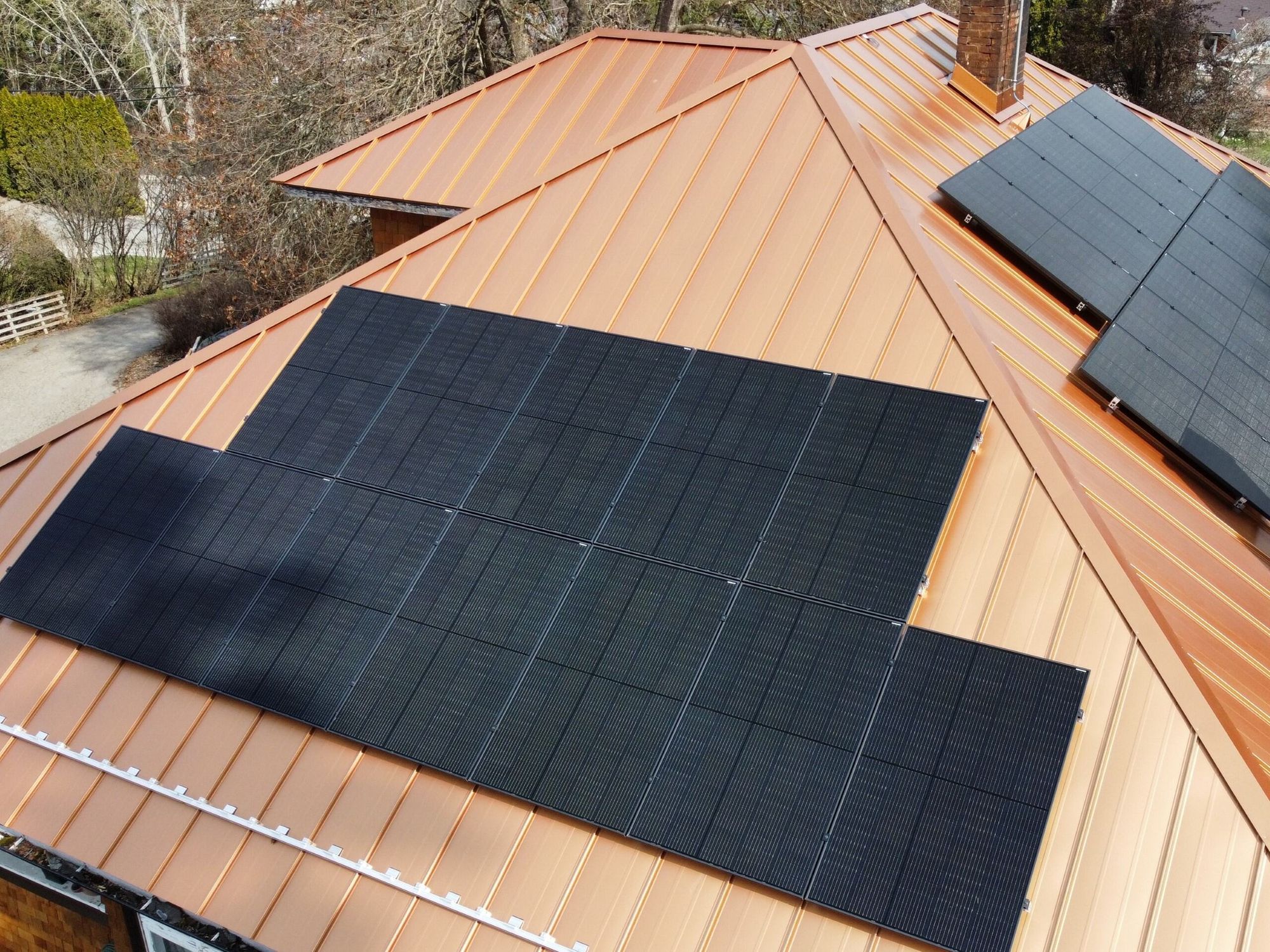
For most BC homeowners, a residential solar panel system falls in the range of $15,000 to $35,000 before incentives, depending on system size, equipment, and site conditions.
System size is the primary cost driver, and it is determined by your energy usage and offset goals. A household using 8,000 kWh annually with a target of 80% offset needs a different system than one using 15,000 kWh with electric heat and an EV. Getting the sizing right requires a real look at your consumption, not a formula applied to your square footage.
Available incentives can reduce the net cost meaningfully. BC Hydro offers solar incentives for eligible residential and commercial customers, and the federal government offers an Investment Tax Credit for business customers. Incentive programs change over time and eligibility varies, so confirming current availability with a local installer is the most reliable approach before factoring any incentive into your planning.
Payback periods for well-designed residential systems in BC's Thompson-Okanagan typically fall in the range of 10 to 12 years. After payback, the system continues generating value for 20 or more years, producing clean electricity at effectively zero marginal cost.
Solar panels for home use come from a wide range of manufacturers, with meaningful differences in efficiency, degradation rate, and warranty terms. A few things are worth understanding when evaluating equipment.
Higher-efficiency panels produce more electricity per square metre - useful on roofs where usable space is limited. A lower degradation rate means your panels maintain their output more effectively over time, delivering more total electricity over the system's 25-plus year life. Warranty terms vary between manufacturers, and a warranty is only as useful as the company standing behind it - which makes manufacturer financial stability and Canadian market presence worth considering alongside the spec sheet.
Inverters are equally important. At Roost Solar, we use SolarEdge inverter technology because it gives us flexibility in system design and allows us to optimize the performance of individual panels. Microinverters offer many of these same benefits at a lower price point. The right choice depends on your roof, your goals, and how your system is designed - not on brand preference alone.
At Roost Solar, equipment recommendations follow system design rather than preceding it. We choose the panels and inverter because they fit your installation, backed by manufacturers we trust to honour their warranties over the full life of your system. You can see the range of home solar installations we've completed across the Thompson-Okanagan to get a sense of what this looks like in practice.
For homeowners going solar for the first time, understanding the process from first conversation to commissioning sets realistic expectations.
The timeline from quote to commissioned system varies depending on permit and interconnection approval timelines, but most residential projects move through the process efficiently with an experienced local installer managing the paperwork.
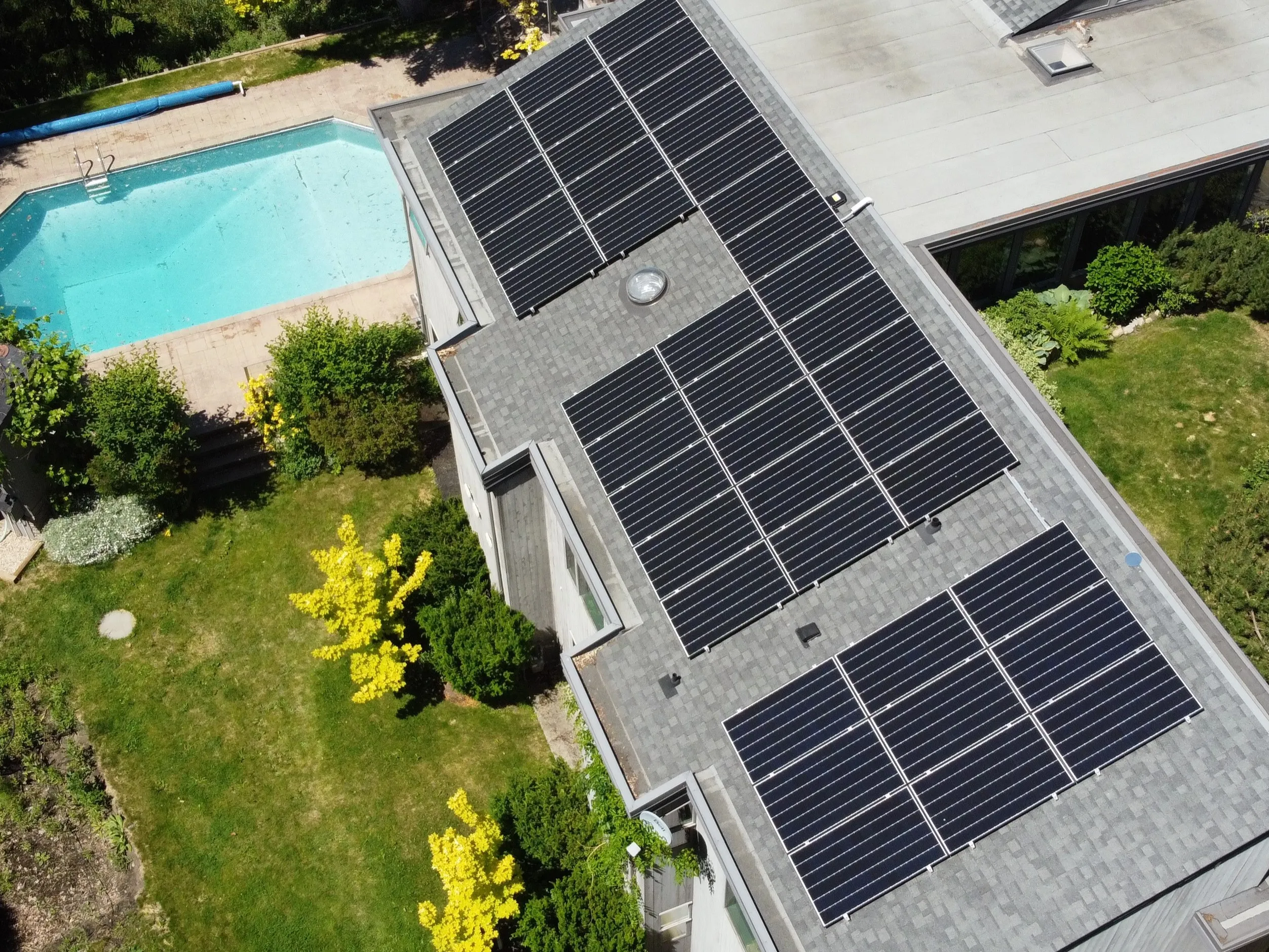
Solar panels are a long-term asset - one that typically pays for itself within 10 to 12 years and continues delivering clean, low-cost electricity for another 20 years or more beyond that. In BC's Thompson-Okanagan, the combination of strong sun hours, BC Hydro's self-generation program, and rising electricity rates makes the long-term case for home solar genuinely compelling.
What makes the difference between a system that delivers on that promise and one that underperforms is the quality of the design, the equipment, and the installation - and the availability of a local team when you need them. Those factors matter as much at year 15 as they do on installation day.
Ready to find out what solar panels could deliver for your home? Reach out to the Roost Solar team for a free estimate - we'll assess your property and put together a design built around your specific home and energy goals.
How do I know if my home is a good fit for solar panels?
The most reliable way is a site assessment from a local installer. Key factors include roof orientation and age, available panel area, shading, your electrical panel capacity, and your annual energy usage. Most BC homes with reasonable south-facing roof space and meaningful electricity consumption are good candidates.
How much do solar panels for a home cost in BC?
Most BC residential systems fall in the range of $15,000 to $35,000 before incentives, depending on system size, equipment, and site conditions. A site assessment and quote from a local installer gives the most accurate number for your specific property and energy usage.
How long do solar panels last on a home?
Quality solar panels are designed to deliver productive output for 25 to 30 years or more. Gradual degradation is normal - panels produce slightly less each year - but a well-designed system accounts for this from the start. Other components like inverters may require replacement during the system's lifetime, typically after 10 to 15 years.
Do I need to replace my roof before installing solar panels?
If your roof has less than 10 years of useful life remaining, replacing it before installing solar is strongly recommended. Removing and reinstalling panels to replace a roof after the fact adds meaningful cost compared to addressing the roof first.
What happens to my solar panels during a power outage?
Standard grid-tied solar systems shut down automatically during a grid outage for safety reasons - even when the sun is shining. Maintaining power during an outage requires a battery storage system configured for backup. This is worth discussing during the design phase if backup power is a priority for your home.

5101 25th Ave, Vernon, BC


