Quality solar, battery, and energy systems
designed for the Thompson Okanagan.
Built with care. Installed with integrity.
Engineered to deliver clean power for
decades.
When homeowners begin researching solar energy, it is common to focus on how much electricity a system produces on a single day. A sunny afternoon will generate impressive numbers, while a cloudy winter day willproduce very little.
However, daily production is not the most meaningful way to evaluate a solar system. In regions like the Okanagan, what truly matters is annual energy production. Looking at performance over the entire year provides a much clearer picture of how a solar system contributes to household energy needs.
For homeowners in Vernon, Coldstream, and surrounding communities, understanding this difference helps set realistic expectations and highlights why solar remains a practical long-term investment.
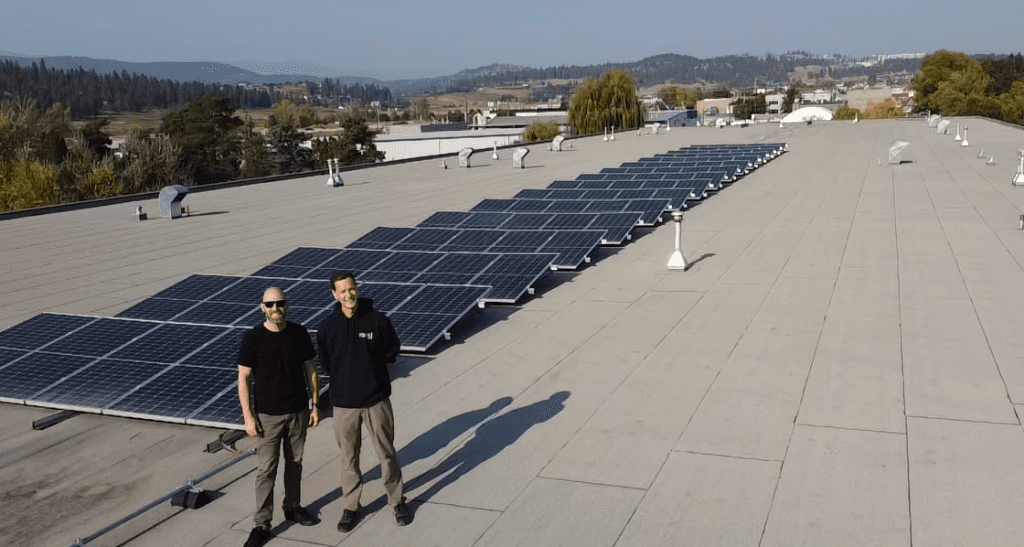
Solar panels are built to operate reliably for decades. They also come with production guarantees and are usually warrantied to be producing about 85% of their original power after 30 years.
Because of this long lifespan, solar should be evaluated as a long-term energy asset rather than a day-to-day power generator. The real measure of performance is how much electricity the system produces across an entire year.
This is why solar installation companies focus on solar annual energy production when designing a system. Annual modeling accounts for seasonal sunlight patterns, weather variations, and household energy use to estimate realistic output.
Looking at a single day or week of production does not capture the full picture.
Solar production changes constantly throughout the day and across seasons.
Some of the factors that influence short-term output include:
Even in the Okanagan, where summers provide strong sunlight, daily production numbers can vary significantly.
For example, a clear summer day may will generate exponentially more electricity than a cloudy winter day. That difference is normal and expected.
Because of these natural fluctuations, professionals rely on solar annual energy production rather than daily peaks when evaluating system performance.
The Okanagan has several characteristics that make solar energy a reliable long-term option.
Summers bring long daylight hours and strong solar exposure. During these months, solar systems often generate more electricity than a household uses in a given day. That excess production contributes significantly to the system’s annual output.
Winter days are shorter and often cloudier, which reduces solar generation. However, system performance is designed with these seasonal differences in mind.
Over the course of the year, strong summer production helps balance lower winter output. This seasonal pattern is why installers evaluate solar annual energy production instead of focusing on individual days.
Annual modeling reflects the region’s climate patterns and provides a realistic estimate of long-term system performance.
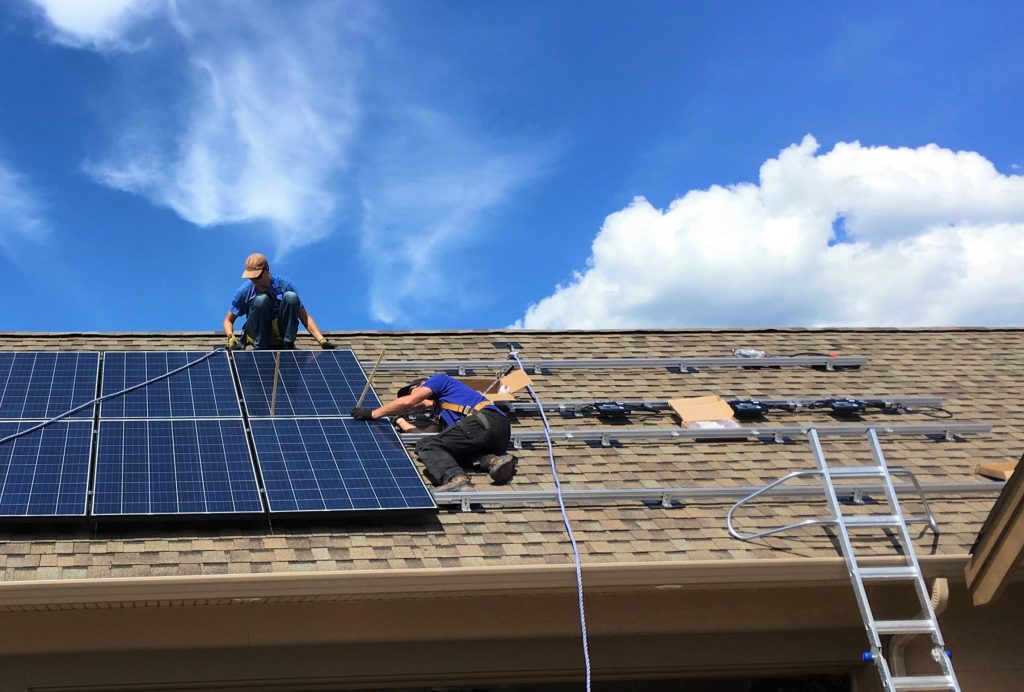
When designing a solar array,, Solar Consultants will analyze historical solar data for the region along with the specific characteristics of the property.
This modeling process considers:
The goal is to estimate solar annual energy production as accurately as possible. This annual estimate helps homeowners understand how much electricity their system is likely to generate over the course of a typical year.
By focusing on yearly performance rather than short-term output, homeowners gain a clearer understanding of how solar fits into their overall energy strategy.
Another common question homeowners ask is how long it will take for a solar system to pay for itself.
While payback is an important milestone, it is not the only measure of value. Solar systems begin generating electricity as soon as they are installed, reducing reliance on grid electricity from day one.
Unlike many household purchases that depreciate quickly, solar is considered a long-term improvement to the property. It produces energy consistently without moving parts or ongoing fuel costs.
For many homeowners in the Okanagan, the value of solar includes:
All of these benefits are tied directly to solar annual energy production, which reflects the system’s cumulative output over time.
Programs that support solar adoption have also made installations more accessible in recent years.
Currently, BC Hydro has incentives that support residential and commercial solar adoption.
Because incentive programs can change over time, homeowners should confirm the current details when planning a project.
These programs have helped many homeowners move forward with solar projects while maintaining a long-term perspective on energy savings and system performance.
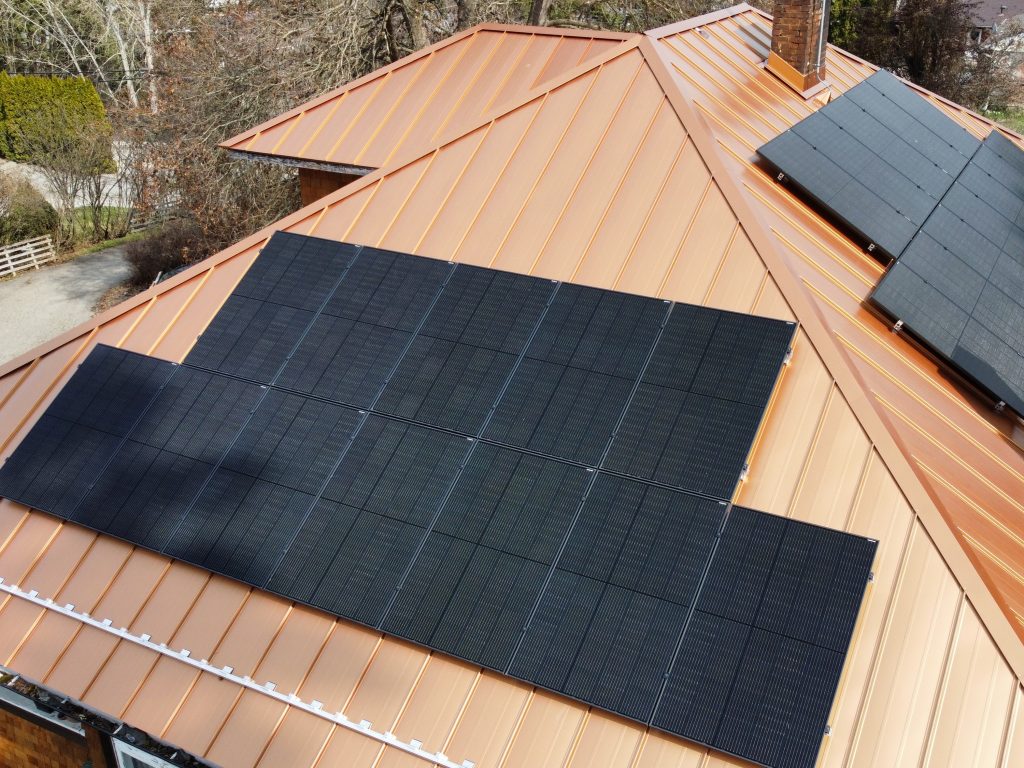
Solar is not suitable for every property. Factors such as roof orientation, shading, and household electricity consumption influence how well a system will perform.
However, homes with strong solar exposure often see meaningful benefits from installing solar panels.
When evaluating whether solar makes sense, installers focus on solar annual energy production rather than short-term fluctuations. This approach ensures that system performance expectations align with real-world conditions.
In the Okanagan’s climate, annual production modeling has proven to be a reliable way to estimate long-term system output.
Why is annual production more important than daily solar output?
Daily solar production changes depending on weather and daylight hours. Annual production reflects the total electricity generated over an entire year, which provides a more accurate measure of system performance.
Does winter reduce solar performance significantly?
Winter production is lower due to shorter days and cloud cover. However, strong summer production often compensates for this difference over the course of the year.
How do installers estimate solar output before installation?
Installers use solar modeling software that analyzes historical sunlight data, roof orientation, shading conditions, and system design to estimate solar annual energy production.
How long do solar panels usually last?
Most modern solar panels are designed to operate for 30 years or more with gradual efficiency decline over time.
Is solar still worthwhile in climates with seasonal variation?
Yes. Many regions with seasonal sunlight differences, including the Okanagan, still achieve reliable solar performance when systems are designed around annual production patterns.
Solar energy works best when evaluated with a long-term perspective. Daily production numbers can fluctuate widely, but the cumulative electricity generated over a full year provides a much more meaningful measure of performance.
For homeowners across Vernon and the Thompson-Okanagan, focusing on solar annual energy production helps clarify how solar contributes to long-term energy stability and cost control.
When designed carefully and installed professionally, solar systems become durable energy assets that quietly generate electricity year after year.
At Roost Solar, we’re proud to help clients across the Thompson-Okanagan design and install systems that maximise their grid tied solar savings in BC through careful engineering, top-tier components, and transparent support.
Start saving smarter with renewable energy today.

5101 25th Ave, Vernon, BC


