Quality solar, battery, and energy systems
designed for the Thompson Okanagan.
Built with care. Installed with integrity.
Engineered to deliver clean power for
decades.
Going solar is one of the more significant decisions a homeowner or business can make. But most of the conversation tends to focus on the upfront side - the cost, the install, the first hydro bill.
What happens after that? What does it actually feel like to own a solar panel system for 10, 15, or 25 years?
That's what this blog is about. Not maintenance checklists - but honest, decade-by-decade expectations for what long-term solar ownership looks like in the Thompson-Okanagan.
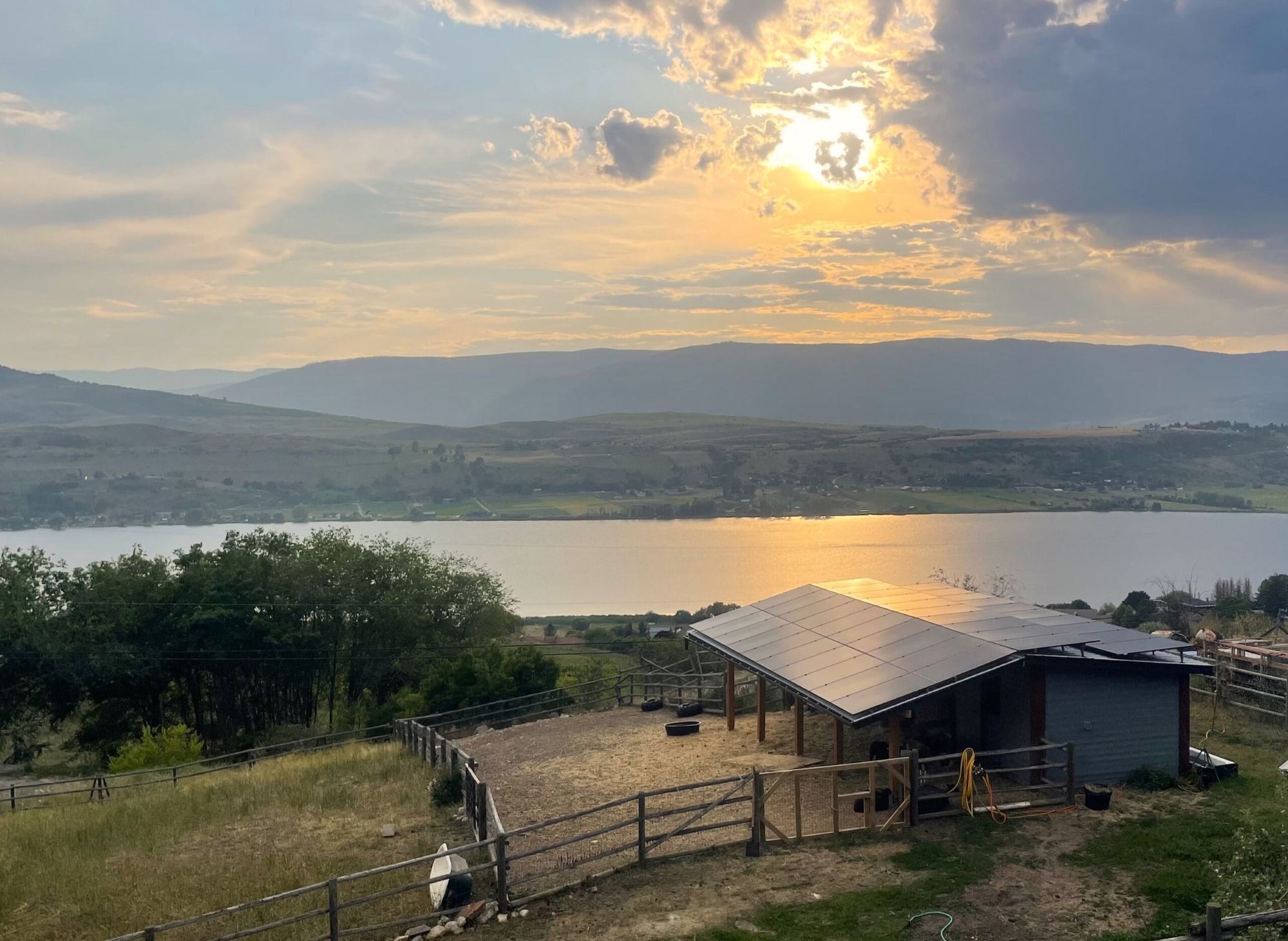
The early years of solar ownership are, for most people, surprisingly uneventful - and that's a good thing.
Your system produces power. Your hydro bills drop. You start paying attention to things you probably never noticed before: how sunny February was, how much energy your home uses on cloudy days, whether your export credits are building up faster than expected.
This is the monitoring phase. Most modern solar panel systems come with an app or web dashboard that shows you real-time production data. It's genuinely satisfying to watch your system work, and it also gives you an early window into whether everything is performing as expected.
Any reputable installer will set up monitoring and walk you through it before they leave. At Roost Solar, commissioning and support is part of every project we deliver - not an afterthought.
During this period, your system should be performing close to its rated output. Panels are new, the inverter is fresh, and you're in the strongest production years of your system's life.
By the time your solar panel system is five to ten years old, it has likely become something you don't think about much. It just runs.
This is intentional. Solar technology has no moving parts. There's nothing to lubricate, calibrate, or replace on a regular schedule. The panels sit on your roof and do their job through sun, rain, wind, and snow - season after season.
Output will have declined very slightly from year one due to natural degradation, but the difference is barely perceptible. A quality panel degrading at 0.5% per year will still be producing around 97-98% of its original output by year five.
Your hydro bills continue to reflect the savings you expected. If you're on BC Hydro's net metering program, excess credits from summer production are drawing down through winter. The financial picture is becoming clearer, and for most owners, the numbers are holding up well against the original projections.
This is also the period where having a locally based installer starts to matter. If a question comes up, or you want someone to take a look at your monitoring data, you want to be able to call someone who's still around and knows your system.
If there's one milestone in long-term solar panel system ownership that requires some planning, it's the inverter.
String inverters - the most common type in residential systems - are typically warrantied for 10 to 12 years, with a realistic lifespan of 10 to 15 years. At some point in this window, your inverter will likely need to be replaced.
This isn't a failure. It's an expected part of the system's lifecycle, and it's worth factoring into your long-term financial picture from day one. A good installer will tell you this upfront.
The good news: inverter technology has improved steadily, and a replacement inverter will often be more efficient and more capable than the original. It's also a fraction of the cost of your original installation.
If your system included microinverters or a hybrid inverter paired with a battery, the timeline looks different - these typically carry 20 to 25-year warranties, so a mid-life replacement may not apply to you at all.
Your panels, meanwhile, are likely still performing well into the 85-90% output range and have years of productive life ahead of them.
By the time your solar panel system reaches its mid-teens, the financial case for going solar has largely been made. For most Thompson-Okanagan homeowners, the system has paid for itself and is now generating returns.
Energy rates have almost certainly increased since your install date - they typically do over time - which means the value of the electricity your system produces has grown alongside it. Every kilowatt-hour your panels generate is one you're not buying from BC Hydro at today's rates.
Your panels are still producing. Degradation continues at its slow, steady pace. A system installed with quality components in 2016, for example, is still a productive asset today - and will be for years to come.
If you added a battery system, this is also the period where a battery upgrade or replacement may come into view. Home batteries are typically warrantied for 10 years, with capacity gradually declining over that period. Replacement batteries, like replacement inverters, benefit from years of technological improvement.
The Roost Solar team has been serving the Thompson-Okanagan since 2016, and we're here for the long arc of your system's life - not just the installation day.
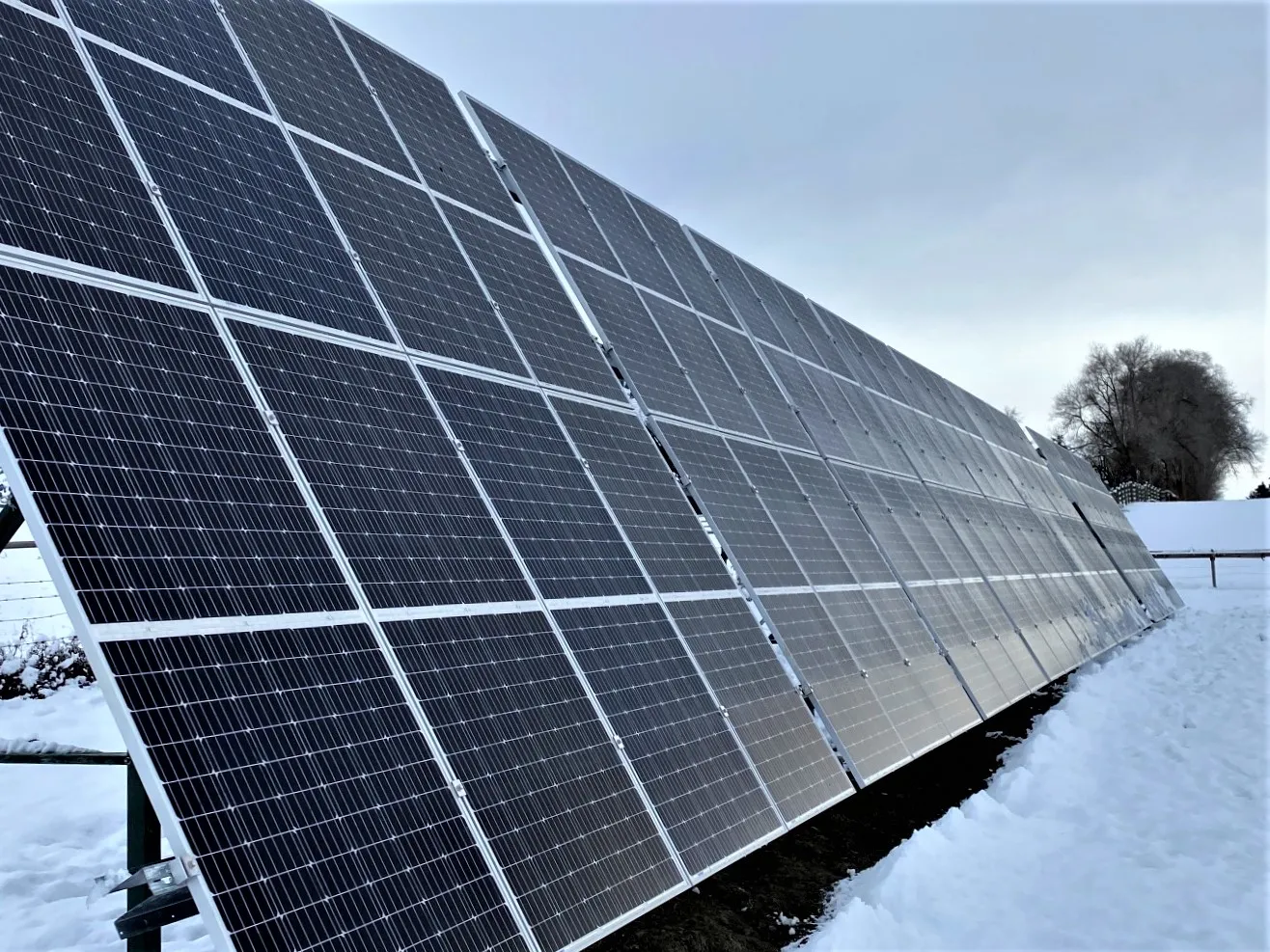
Over 25 years of solar panel system ownership, some things will evolve.
Inverters may be replaced. Battery capacity may fade and be refreshed. Monitoring technology will improve. Energy rates will shift.
What won't change is the fundamental value of what you installed: a system that generates clean electricity from the sun, on your property, for decades. The panels on your roof at year 25 are largely the same ones installed at year one - just a little more seasoned.
The Thompson-Okanagan's climate works in your favour here. High sun hours, relatively moderate temperatures, and lower humidity than coastal BC mean your equipment ages well. Roost Solar's local experience means your system was designed with those conditions in mind from the start.
Long-term solar panel system ownership is, for most people, a quiet and positive experience. The drama is mostly in the decision to go solar. After that, the system does what it was designed to do.
What makes the difference over the long run is the quality of the original design, the components selected, the care taken during installation, and the availability of a local team when you need them. Those factors matter far more at year 15 than they do at year one.
If you're thinking about what solar ownership actually looks like for your home, farm, or business - not just in year one, but over the decades ahead - that's exactly the kind of conversation we're set up to have.
Curious what long-term solar ownership could look like for your property? Reach out to the Roost Solar team for a free estimate - we'll walk you through the design, the numbers, and what to realistically expect over the life of your system.
Does a solar panel system require a lot of attention over time?
Very little. Solar systems have no moving parts, which means there's no regular maintenance schedule to keep up with. Most owners find that after the first few months of watching their monitoring app, the system fades into the background - it simply runs.
When will a solar panel system pay for itself?
It varies based on system size, energy usage, and local rates, but most Thompson-Okanagan homeowners see payback periods in the range of 8 to 12 years. After that, the system continues to generate value for another 15 years or more.
What happens to my system after 25 years?
Your panels don't stop working - they'll simply be producing a bit less than when they were new, typically around 80-87% of their original output. Many systems continue operating productively well beyond the 25-year warranty period.
Will I need to replace anything during my system's life?
Potentially, yes. String inverters typically need replacement after 10 to 15 years. Batteries, if included, are usually warrantied for 10 years. Panels themselves rarely require replacement and often outlast the other components.
How does the Thompson-Okanagan climate affect long-term solar ownership?
Favourably, in most respects. The region's high sun hours and relatively moderate climate conditions are well-suited to solar equipment longevity. Roost Solar designs systems specifically for local conditions, including snow loads and seasonal temperature variation.

5101 25th Ave, Vernon, BC


